

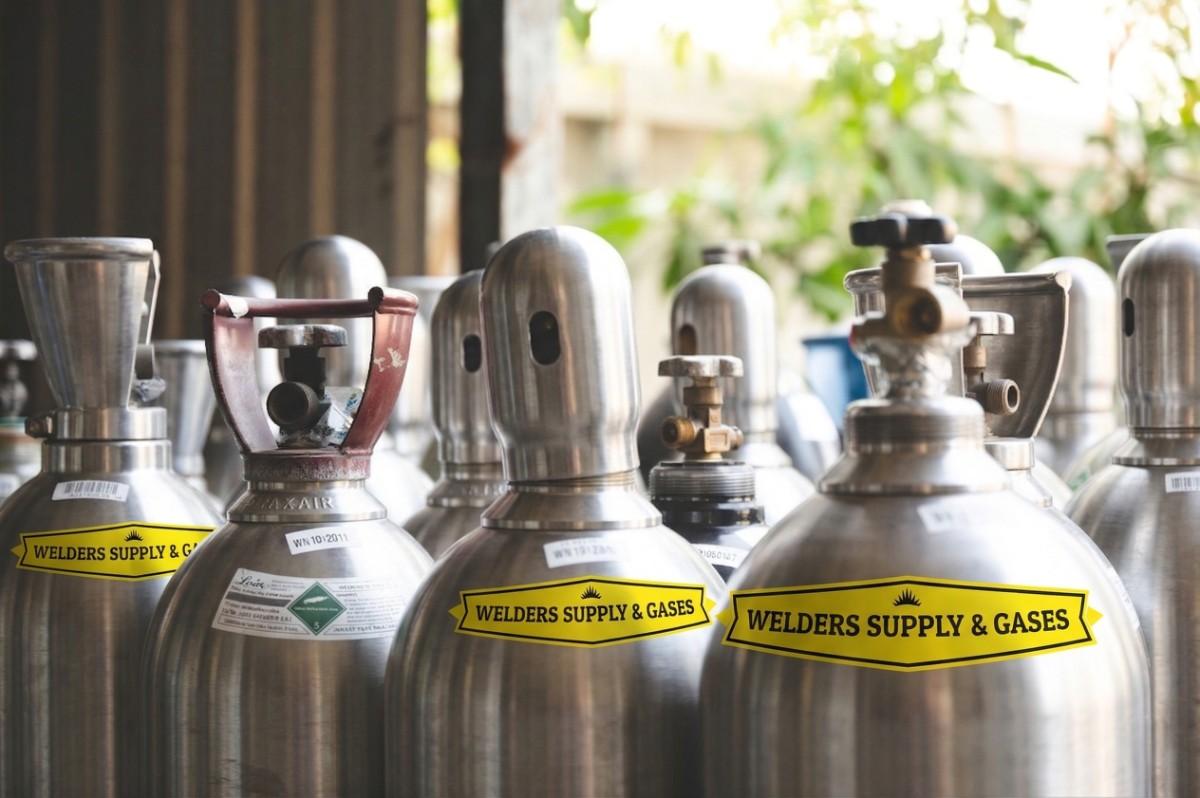
Why Florists & Gift Shops Need a Reliable Helium Supply Partner
Fresh flowers and balloons have become one of the most popular gift combinations for birthdays, anniversaries, baby showers, graduations, Valentine’s Day, Mother’s Day, and many other celebrations. For florists and gift shops, balloons are no longer just an add-on—they have become an important source of additional revenue and customer satisfaction. But none of this can happen without florists having a reliable source of helium. Running out of helium before a busy weekend or holiday can mean late orders, disappointed customers, and lost sales. Whether you own a boutique flower shop or a multi-location gift store, having a reliable supplier means that your business is always ready to meet customer demand. Gift Buys Keep Balloon Sales Up The rise of personalized gifting continues to grow across Canada. The National Retail Federation (NRF) says holidays such as Valentine’s Day, Mother’s Day, and graduation season generate billions in gift purchases annually, and flowers and balloons are always among the top choices. According to the National Retail Federation (NRF), flowers remain one of the most popular Mother’s Day gifts, with 74% of shoppers planning to purchase them, highlighting the continued demand for floral and gift products during major celebrations. As more customers look for complete gift packages instead of individual products, maintaining a reliable supply of helium for gift shops has become increasingly important. Why Reliable Helium Supply Matters More Than Ever Helium is not manufactured like most industrial gases. It is retrieved during natural gas production. This makes it a limited natural resource. As per the U.S. Geological Survey (USGS), only a few countries account for the majority of global helium production. Hence, maintenance shutdowns, transportation delays, or geopolitical disruptions can impact worldwide availability. While not every global shortage necessarily plays out directly to GTA businesses. Increased demand tends to add additional pressure to local stocks. With a reliable GTA helium supplier, a business can avoid unnecessary disruptions during its peak periods. The Hidden Cost of Running Out of Helium Many businesses focus only on the price of helium cylinders. In reality, the cost of not having helium available can be much higher. A single missed balloon order often affects much more than one sale. Customers purchasing flowers frequently order balloons, chocolates, greeting cards, and gift baskets together. Losing one helium balloon order may also mean losing an entire premium gift package. Industry studies show that acquiring a new customer can cost five to seven times more than retaining an existing one. When customers cannot rely on your business during important celebrations, they often choose another florist for future occasions as well. Reliable helium delivery helps prevent these unnecessary revenue losses. Seasonal Demand Requires Better Planning Demand for helium balloons follows predictable seasonal trends throughout the year. Special holidays such as Valentine’s Day, Mother’s Day, graduation season, weddings, baby showers, Christmas, and New Year’s celebrations can ramp balloon orders up by 30% to 60% over normal business periods. In those weeks, many florists will be dealing with dozens of extra balloon arrangements each day. Successful retailers don’t wait for the cylinders to run out; they monitor usage throughout the season and reorder well before inventory falls to a critical level. Helium needs can be honed in on with historical sales data, local event calendars, and repeat business from corporate customers. Planning ahead allows your supplier to reserve sufficient inventory and schedule deliveries before peak demand begins. Scheduled Deliveries Keep Business Running Smoothly Many successful retailers prefer scheduled deliveries instead of placing emergency orders. Consistent delivery times enable businesses to maintain steady inventory all year round and avoid any last-minute panics. Scheduled commercial helium delivery enables stores to make fewer emergency purchases, plan for workflow, reduce delivery costs, and increase confidence during busy retail times. Staff can spend time serving customers instead of constantly checking cylinder levels. A dependable delivery schedule also allows businesses to accept larger corporate orders without worrying about supply interruptions. Quality Helium Makes Better Balloon Displays Not all balloon displays perform the same way. Professional-grade helium gives you better lift, longer float times, and more consistent inflation. This is especially true for bouquet arrangements, ceiling balloons, wedding decorations, and large promotional displays where the appearance of the product directly affects customer satisfaction. Working with an experienced balloon gas supplier helps ensure consistent gas quality across every delivery, reducing balloon failures and improving presentation. Safe Cylinder Handling Protects Your Team The Compressed Gas Association (CGA) recommends proper cylinder storage and secure transportation. Along with recommending regulators, regular inspections for leaks. In addition to conducting regular employee safety training to lower risks. Businesses that train staff on safe handling procedures experience fewer accidents and better equipment performance while extending cylinder life. Build a Long-Term Partnership Instead of Buying One Cylinder at a Time The best suppliers do much more than simply deliver helium. A long-term supply partner understands your seasonal sales patterns, recommends appropriate cylinder sizes, helps forecast inventory requirements, offers flexible delivery schedules, and responds quickly when unexpected demand arises. Rather than reacting to shortages, experienced suppliers help businesses prevent them altogether. This partnership approach gives florists greater confidence during holidays, promotional events, and large commercial orders. Choose a Local GTA Supplier You Can Depend On Working with a local GTA helium supplier offers practical advantages that national distributors may not always provide. Local suppliers generally offer faster response times, flexible scheduling, better knowledge of seasonal demand, and quicker emergency deliveries when unexpected orders arrive. This local support helps businesses maintain excellent customer service throughout the year. Welder’s Supply & Gases Inc. offers reliable helium solutions for florists, gift shops, balloon retailers, and commercial businesses in the Greater Toronto Area. Our dependable delivery times, helpful customer service, and commitment to consistent supply help companies be prepared for each season. Conclusion For today’s florists and gift retailers, balloons are far more than decorative accessories—they are valuable revenue