Nitrogen Gas Supply for Food Packaging in Canada: Purity & Compliance Explained
The food industry today is no longer about presentation. It has evolved to place prime importance on maintaining quality and safety standards. Especially in Canada, food packaging is a regulatory necessity. Food manufacturers are increasingly relying on nitrogen gas, which plays a key role in maintaining food purity and quality.
Additionally, using a nitrogen gas supply for food packaging in Modified Atmosphere Packaging (MAP) is necessary to meet the strict regulatory standards.
More and more businesses are opting for high-purity nitrogen not only to meet compliance standards but also to reduce waste. This blog provides detailed insights into nitrogen gas purity, compliance requirements, and the importance of choosing the right supplier for nitrogen gas supply in Canada.
What Role Nitrogen Plays in Modern Food Packaging
Nitrogen, in its purest form, is an essential element in the food packaging industry. It plays a silent yet powerful role in protecting food from rancidity and maintaining its purity, thereby ensuring compliance with quality standards. In Canada, all packaged food, from snacks to ready-to-eat meals, is nitrogen-flushed.
Nitrogen is known for its inert nature. Unlike oxygen, it does not react with food components. This quality makes it the best alternative for preserving freshness. When nitrogen is used in Modified Atmosphere Packaging (MAP), it replaces oxygen inside the packs. Compared to oxygen, nitrogen helps prevent food spoilage and reduce losses from poor quality.
This process of nitrogen gas usage in packaging offers many benefits. These include:
- It prevents the food from turning rancid
- Lack of oxygen in the package reduces and prevents oxidation
- Enables no change in taste, color, or texture of the food
- Nitrogen extends the shelf life of food that is prone to spoilage otherwise
- It protects fragile food items, such as chips or meat, from being crushed by friction during transport.
Nitrogen is used in food products such as dairy, coffee, processed meat, and chips to ensure they reach consumers as fresh as when they were packaged.
What Does “Food-Grade Nitrogen” Mean?
Food-Grade Nitrogen is more than just ensuring food quality and purity standards. It covers a wider range of nuances, from consistency to safety and cleanliness. In Canada, food packaging must comply with nitrogen use requirements, and companies must qualify for them.
- To qualify the standards, the nitrogen must:
- Must meet the regulatory and food safety standards
- Must have a very low level of oxygen
- The food items should be free of moisture, oil, or particles that can cause spoilage
- It must be produced and delivered through clean systems
Any trace of contaminants can impact the overall food quality. Hence, food-grade nitrogen undergoes strict quality control before qualifying for use in food packaging.
A Gist of Nitrogen Purity Levels
Purity is an uncompromisable element in the supply of nitrogen gas. The purity of nitrogen gas tends to vary with its use. Here is a gist of its purity ranges:
- 99.5% of nitrogen is suitable for basic packaging
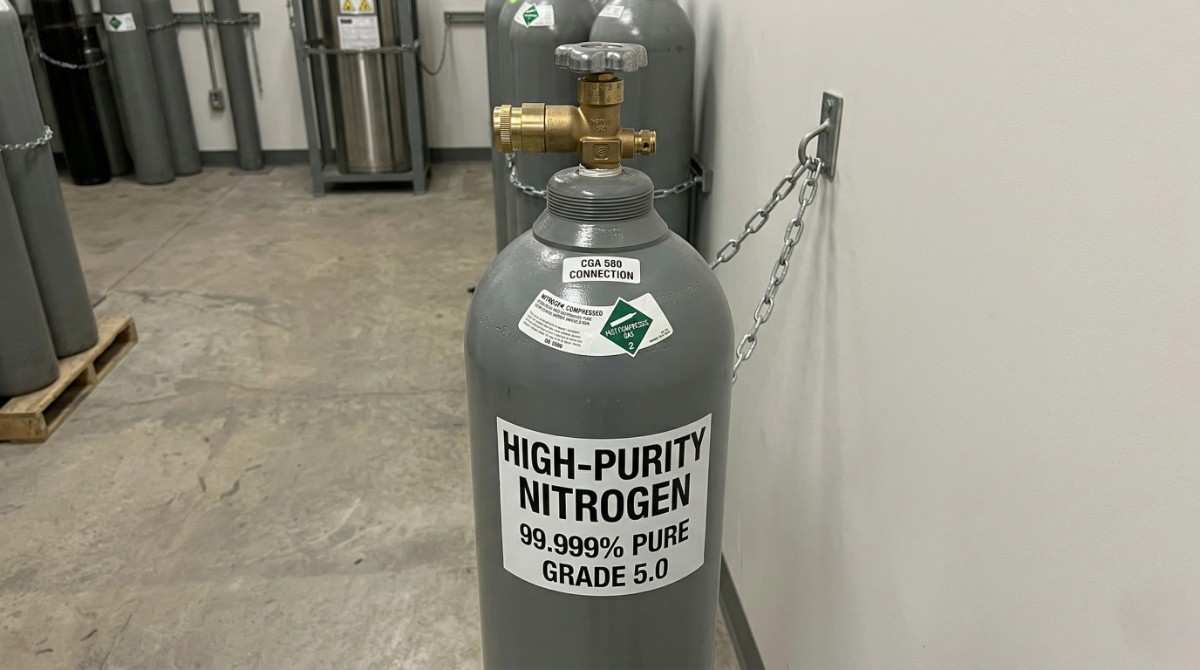
- 99.9% are used in food applications
- 99.99% + nitrogen is a must for highly sensitive products.
In the case of Canadian food packaging businesses, 99.9% nitrogen purity is considered the standard. However, this differs slightly for products like ready-to-cook meals and fresh dairy and meat, which may require higher purity to prevent spoilage.
How Purity of Nitrogen Impacts Food Quality?
Nitrogen’s inert nature prevents it from directly contacting food, thereby preventing spoilage, as with oxygen. Nitrogen does not react with the components, ensuring the food remains as it was at the time of packaging. Hence, the purity of nitrogen matters.
Low-quality nitrogen can impact not only the product but also the brand image. Some of the potential problems of using low-quality nitrogen include:
- Increased oxygen contamination leads to faster spoilage of food components
- Increased microbial growth in the presence of moisture
- Residue of oil can lead to safety risks as well as impact health
- Inconsistency in gas quality can reduce the overall shelf life of the food product
Therefore, it is important to maintain consistency in purity, especially in Canada, where high-quality nitrogen gas is essential for achieving high purity.
Canadian Compliance Standards You Must Know
Canada has well-defined regulations regarding food purity and safety. The gases used in food applications, such as packaging, play a very important role. Food manufacturers must therefore ensure that their nitrogen supply complies with regulatory requirements.
Some of the key compliance factors are:
Food Safety Standards
The nitrogen used must meet food-grade specifications. It must be safe for packaging applications.
Clean Delivery Systems
All pipelines, cylinders, and storage tanks used in manufacturing and packaging must be free of contamination.
Regular Testing
Businesses must constantly monitor the overall quality of gas to ensure it remains consistent.
Documentation & Traceability
Maintaining proper records is necessary for audits and inspections. Food manufacturers in Canada who fail to meet these standards will face penalties, product recalls, and damage to their brand reputation.
Methods Used for Supplying Nitrogen Gas for Canadian Businesses
Opting for the right nitrogen supply method is essential. The method depends largely on the scale of operations. These include:
Cylinder Supply
- Most suited for small-scale businesses
- It’s easy to manage
- Requires regular refilling
Bulk Supply
- Ideal for medium to large operations that require a constant supply of nitrogen
- Reliable, however, it highly depends on the supplier schedules.
On-Site Nitrogen Generation
- No stop in the supply of nitrogen
- Offer cost-effectiveness
- Ensures the purity levels are consistent
- Reduces the overall dependency on external supply
Most modern food manufacturers in Canada are relying on on-site generation to improve efficiency and control the process.
Must-Follow Practices To Maintain Nitrogen Quality
Following best practices ensures optimal performance and compliance.
These include:
- Installation of high-efficiency filtration systems
- Monitoring moisture levels
- Using point-of-use purification filters
- Consistent and routine quality inspections
- Trained staff to handle gas systems
All these factors make it necessary to choose a supplier with proven experience in food-grade gas supply, adherence to Canadian food safety standards, and strong technical support to ensure the packing process runs smoothly without any quality concerns or interruptions.
Final Thoughts
Nitrogen gas plays a key role in maintaining food quality, compliance, and safety in Canada’s food packaging industry. Its effectiveness depends on its level of purity, supply system, and handling.
Hence, it is necessary to invest in a high-quality nitrogen supplier, as it is not optional but essential for reducing waste, ensuring product safety, and protecting reputation.