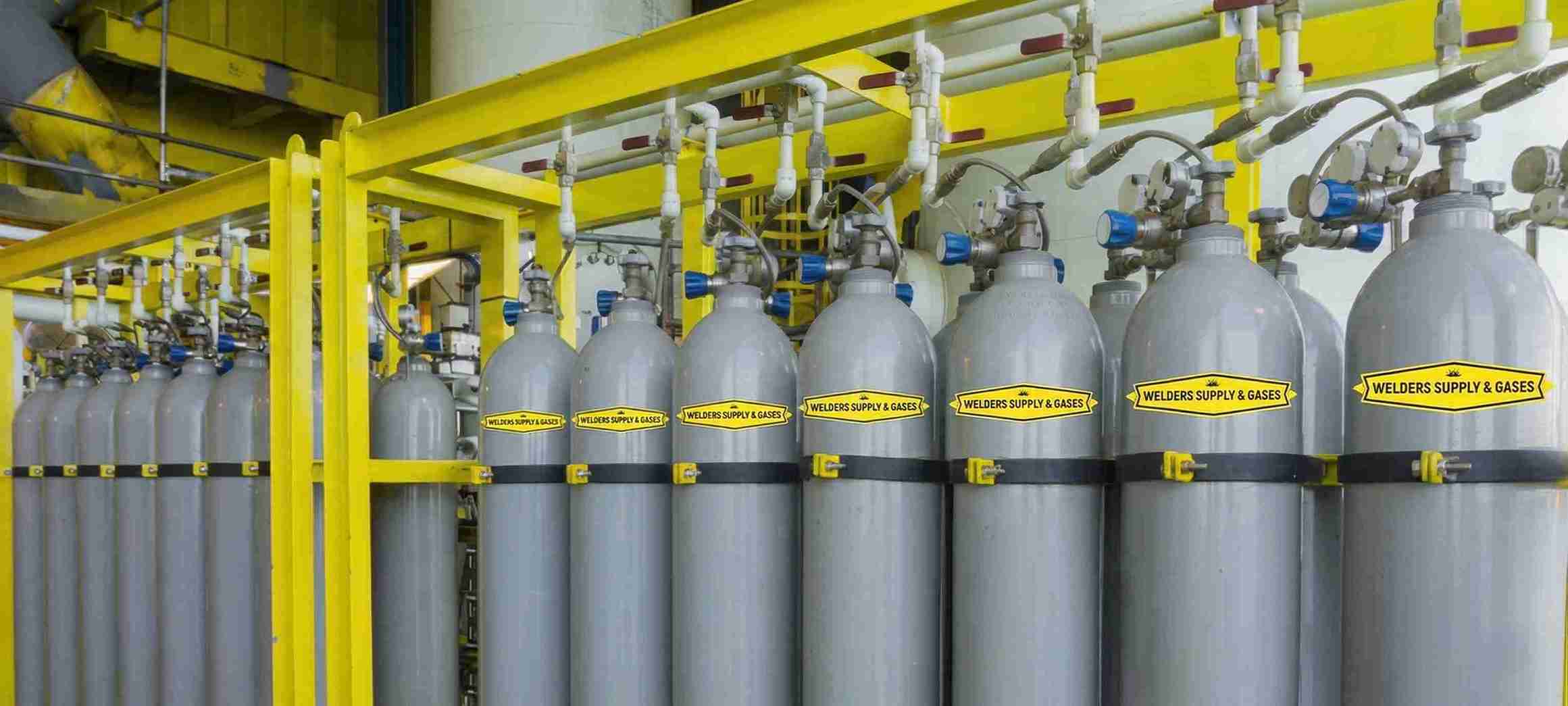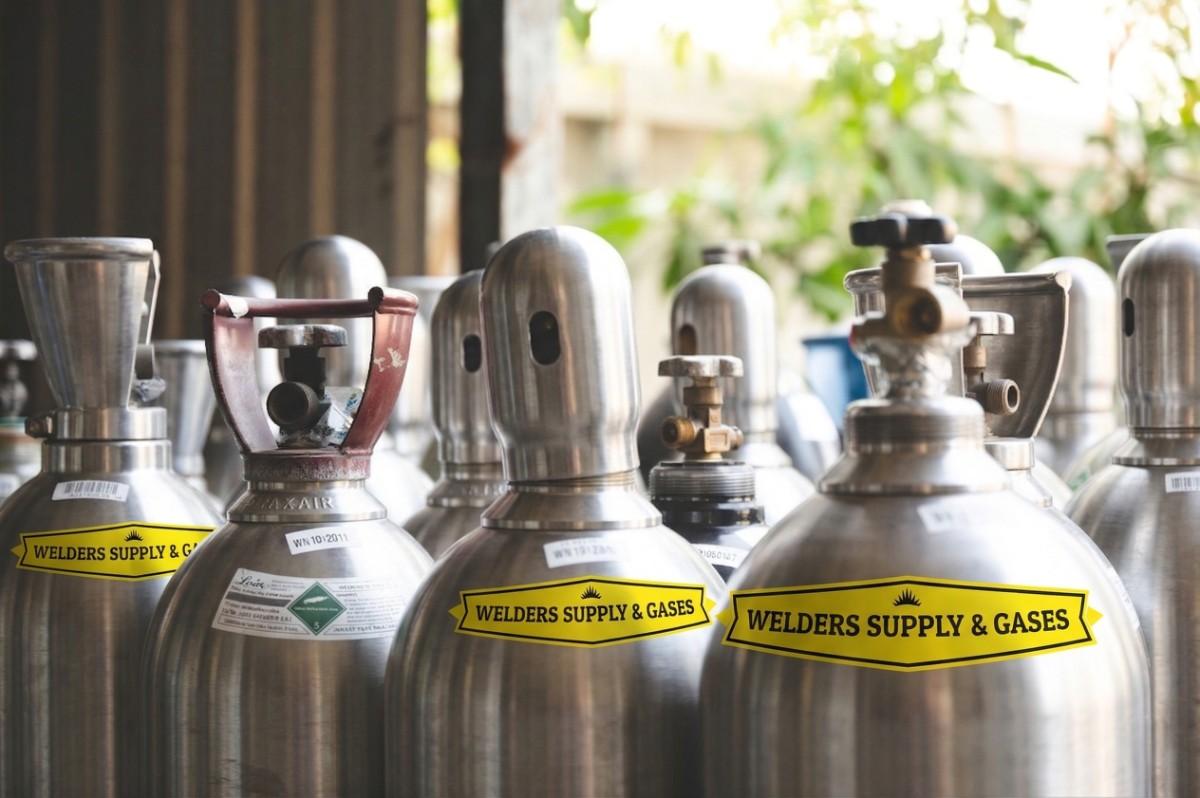
Industrial gases like Argon are essential to maintaining the continued flow of operations. Hence, choosing the right shielding Argon gas is one of the most important decisions, especially in welding units. Most shops in the fabrication business focus on wire, machines, or filler material. However, a wrong gas setup can reduce overall quality, increase defects, and slow production.
When it comes to argon MIG TIG welding, understanding the differences in gas requirements between the TIG and MIG processes can help prevent operational breakdowns. The gas you order will directly impact the arc stability, spatter levels, penetration, and overall welding efficiency.
It is extremely important to understand how Argon welding gas works across different welding applications before placing your next gas order. This blog details the criteria and factors you must evaluate before ordering the next gas consignment.
Why is Argon Important in Welding?
Argon is an inert gas widely used for shielding. It prevents molten weld metal from being contaminated by oxygen, moisture, and other airborne contaminants during welding. Improper shielding can turn the weld porous, weak, and inconsistent.
Argon is also widely preferred due to other benefits it offers, such as:
- It has a high arc performance
- It allows a better weld appearance
- It prevents oxidation
- It offers clearer finishes
- It promotes improved control during the welding process
However, the main difference between MIG and TIG welding is that the gas setup is not suitable for TIG welding. This is where many shops tend to make errors.
Understanding the right mix of argon gas and its applications can help maintain weld consistency and enhance production quality.
Welding Gas Requirements for MIG and TIG Processes
Both MIG and TIG processes require shielding gas. However, MIG and TIG welding tend to behave differently. Every process requires a unique approach to gas selection. Let us review the requirements for each process.
MIG Welding Gas Requirements
MIG welding is a faster process. It is widely used in production, fabrication, automotive manufacturing, and heavy industrial applications.
The shield gas impacts:
- Spatter levels
- Stability of arc
- Speed of welding
- Penetration
- Bead appearance
Hence, many shops opt for an argon gas mixture rather than pure Argon to prevent the above effects.
Common MIG Welding Gas Mixes
The most commonly used MIG welding gases are:
75% Argon + 25% CO2
- It helps in smoothening the arc performance
- Allows better bead appearance
- Balances penetration
90% Argon + 10% CO2
It is used in thicker materials and applications that need higher penetration.
Argon + Oxygen
This combination is used in the stainless steel welding industry to improve overall arc stability and puddle control.
When is pure Argon used in MIG Welding?
Pure Argon is usually not preferred for performing MIG welding on carbon steel. It leads to shallow penetration and destabilizes weld profiles.
However, pure Argon is most sought for the following works:
- Aluminum MIG welding
- Specialty applications
- Non-ferrous metals
Pure Argon is also the top choice for welding gas, widely used in aluminum fabrication shops.
TIG Welding Gas Requirements
TIG welding requires higher precision and cleaner shielding than MIG welding. Most TIG applications use pure Argon as the shielding gas. It depends on arc stability and heat control.
Pure Argon provides a myriad of advantages. These include:
- Smooth arcs
- Better control of the weld
- Cleaner finish Argon
- Reduced level of contamination
- Stable puddle formation
The above reasons make TIG welding gas ideal for welding of the following:
- Stainless steel
- Titanium
- Aluminum
- Thin materials
- Fabrications that require precision
Compared to MIG, TIG welding gas uses CO2 blends less commonly as the reactive gas, as these tend to contaminate the tungsten electrode and degrade weld quality.
Understanding Pure Argon vs Argon Gas Mix
Most welding supply mistakes occur because shops cannot distinguish between pure Argon and argon gas mixtures. Here are a few differences between pure Argon and argon gas mix.
Pure Argon
Argon is best suited for TIG welding, precision welding, stainless Steel TIG applications, and Aluminum welding.
Advantage: It offers a cleaner weld arc, a stable arc, reduces oxidation, and offers better control
Limitations: It is not suitable for mild steel welding, and it reduces penetration in MIG welding on steel.
Argon Gas Mix
It is most widely used for mild-steel welding, high-production fabrication processes, and structural welding.
Advantages: It offers better penetration, higher speed, lower cost, and improved arc performance for steel.
Limitations: It is not suitable for TIG welding and offers higher spatter compared to pure Argon
What should shops look for?
Before placing an order for argon gas, the shops must confirm the following:
- The material type
- The welding process
- The thickness of the material
- Finishing expectations
- Production speed requirements
Why Emergency Gas Supply Matters More Than Most Shops Expect
Welding operations can be disrupted if the gas supply is delayed. The operations often run on tight production timelines. Running out of shielding during active fabrication can lead to many issues. These include:
- Delay in completing orders
- Idle labor
- Missed deadlines
- Bottlenecks in production
Choosing a reliable nitrogen delivery service or a gas partner is necessary for responsive argon support. A reliable supplier will offer the following:
- Emergency delivery
- Assistance in inventory planning
- Scheduled delivery
- Bulk gas options
Shops that require continuous welding operations must maintain a backup cylinder inventory to avoid a breakdown.
Benefits of Proper Gas Planning
Proper planning improves the weld quality. It supports better workflow and consistent production. It also reduces defect rates, lowers downtime, and offers faster performance.
Using the right shielding gas setup allows welders to spend less time correcting errors and more time on maintenance, thereby improving operational efficiency.
Final Conclusion
Choosing the correct setup for Argon MIG and TIG welding is more than ordering cylinders. It also depends on matching the right shielding gas to your welding process, production demands, and quality requirements.
While pure Argon is widely preferred for TIG welding, an argon gas mix is used for MIG welding, with Argon setups for better performance.
Before placing an order for gas, the shops must evaluate the process, material compatibility, gas purity, delivery reliability, production requirements, and cylinder management.
Using the right Argon welding gas strategy can reduce the overall downtime and ensure continuous fabrication operations.