
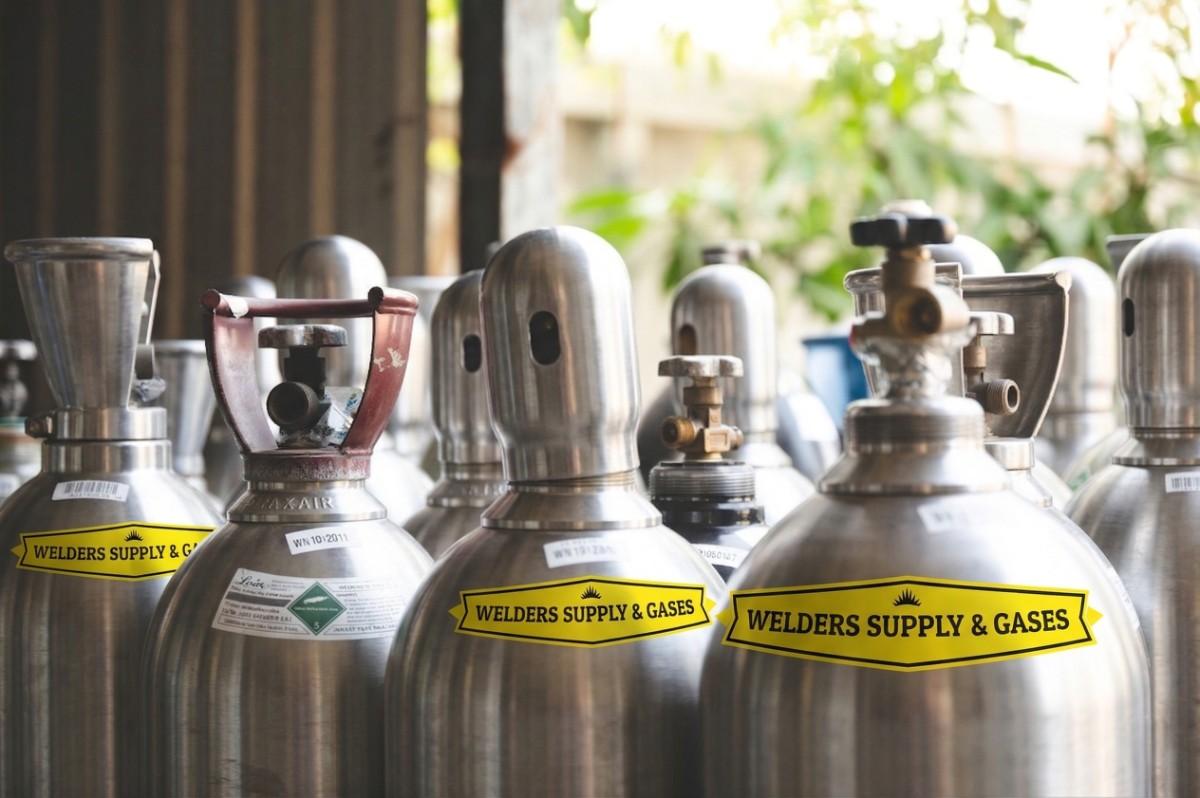
Argon Cylinder Inventory Management Best Practices
Argon is an important gas used across many industrial operations. It is an essential component in industries such as metal fabrication, manufacturing, welding, electronics production, and laboratories. As more businesses rely on Argon for continuous operations, maintaining a steady supply is essential. In addition, it is essential to ensure argon cylinder inventory management and to plan inventories to prevent production delays, shortages, increased costs, or safety risks. A well-planned inventory system helps the business to track overall cylinder usage, improve efficiency, and ensure the argon gas is available when needed. Knowing the best practices for handling argon cylinders is generally beneficial for organizations, helping reduce waste and maintain reliable operations. Why Does Argon Cylinder Inventory Management Matter? Argon gas is one of the most widely used gases in industries. These are supplied in high-pressure cylinders. The cylinders are moved within the industry between suppliers, storage areas, work sites, and production floors. Hence, it needs proper tracking to prevent the cylinders from being overstocked, misplaced, or unavailable when required. Effective inventory management assists businesses in a myriad of ways. These include: Prevent a shortage of supply Reducing rental costs on cylinders Improving the overall efficiency in operations Ensuring workplace safety Lowering the costs incurred in gas management Improving inventories As the business evolves, managing the high demand for cylinders becomes increasingly challenging. Herein, making a structured inventory process is an essential criterion for effective management. Establish a Centralized Cylinder Management System One of the most sought-after ways to improve argon cylinder inventory management is to implement a centralized, well-structured cylinder management system. A centralized system enables businesses with the following advantages: Tracking cylinder locations Monitoring the inventories Keeping a record of deliveries and returns Maintaining usage history Generating inventory reports Rather than relying on paper records or manual spreadsheet updates, businesses can opt for digital systems. These not only provide real-time data but also improve decision-making. Implement Accurate Argon Cylinder Tracking Reliable argon cylinder tracking is the very base of effective and efficient inventory management. Every cylinder must have a few identifiers, such as Barcode labels RFID tags QR codes Serial numbers Incorporating these tracking technologies makes the overall work easier. Wherein businesses can easily understand The location where the cylinder is during transit or in the location Which departments are using them When were the cylinders received When do the cylinders need refilling or replacement Proper tracking of cylinder systems helps reduce the risk of losing cylinders and maintain better inventory control across multiple locations. Monitor Argon Gas Inventory Regularly Argon gas inventory should be periodically and continuously monitored. It helps businesses to avoid shortages or excess inventory. Inventory reviews should include: Reviewing full cylinders Partially used cylinders Empty cylinders, which await return Cylinders, which are scheduled for delivery Routine audits also help identify inventory discrepancies and ensure they are accurately and timely updated. Most organizations conduct weekly and monthly inventory checks to maintain consistent oversight of gas supplies. Use Gas Usage Tracking to Understand Consumption Patterns Effective gas usage tracking helps understand operational demand and consumption patterns. Monitoring the pattern helps businesses streamline their operations. These include: Predicting future requirements Improving purchasing decisions Identifying the usage trends to ensure sufficient availability of inventories Optimizing delivery schedules Reducing emergency orders Based on historical usage data, businesses can budget and plan for the long term. For example, a welding operation may discover that the demand for argon increases during specific production cycles. Herein, it will allow the managers to adjust their inventory availability in advance. Set Minimum and Maximum Inventory Levels One effective way to optimize inventory strategies is to set a stock threshold. Businesses must define the following: Minimum stock levels This includes representing the lowest acceptable inventory level before adding any additional cylinder orders. It provides various advantages, which include: Reduced risk of shortages Better continuity of production Improved supply planning Maximum stock levels Planning maximum inventory limits also prevents excessive accumulation or storage of stock. Its advantages are in the following ways: It lowers the overall storage cost Reduces rental expenses Improves utilization of storage space Brings better turnover of inventory Establishing a proper limit for supporting stock control also improves inventory efficiency. Improve Inventory Optimization Through Data Analysis Modern inventory management relies on data-driven decision-making. An efficient inventory optimization allows for evaluating the following: Consumption trends Demand fluctuations between seasons How often is the delivery Production scheduling Cylinder rotations This data helps businesses match their inventory levels to the real operational requirements. Optimized inventories reduce holding costs while ensuring sufficient supply to enable planning and management of operations. Tracking is important for effective Argon Cylinder Inventory Management. Maintaining storage and organization Proper storage is one of the criteria for effective industrial gas inventory management. The storage areas must be properly labeled, ventilated, organized according to cylinder status, and accessible for inspections. There should be separate areas for full, in-use, empty cylinders and those awaiting pickup. Prioritize Gas Cylinder Safety Inventory management must support gas cylinder safety. Argon cylinders are high-pressure and must be handled carefully. Here, the safety practices include: Securing cylinders in the proper upright position Looking for any damage Training staff to handle correctly Following supply safety directives Keeping up