Same-Day Helium Delivery vs Scheduled Delivery: Which Works Better for Event Businesses?
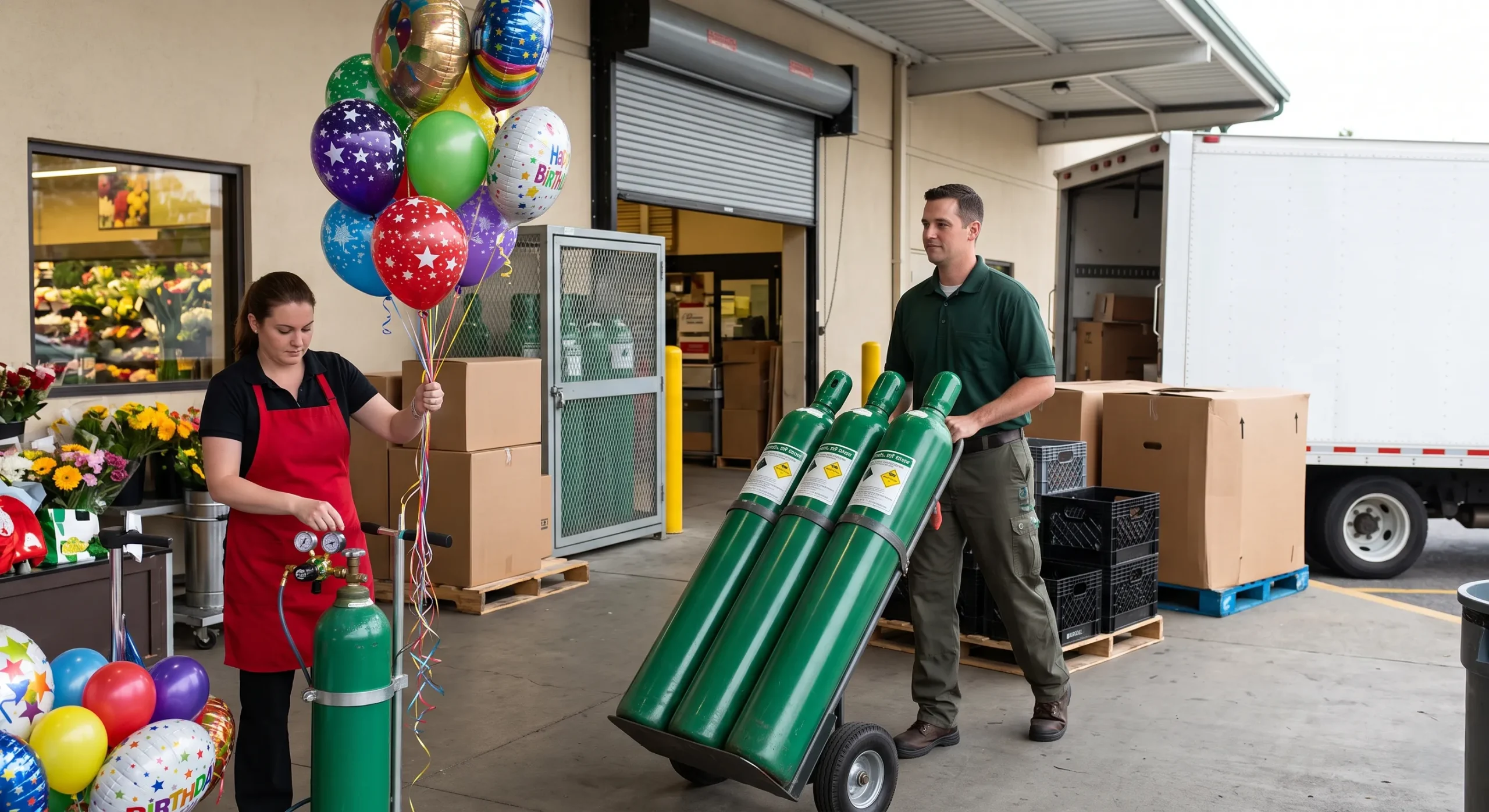
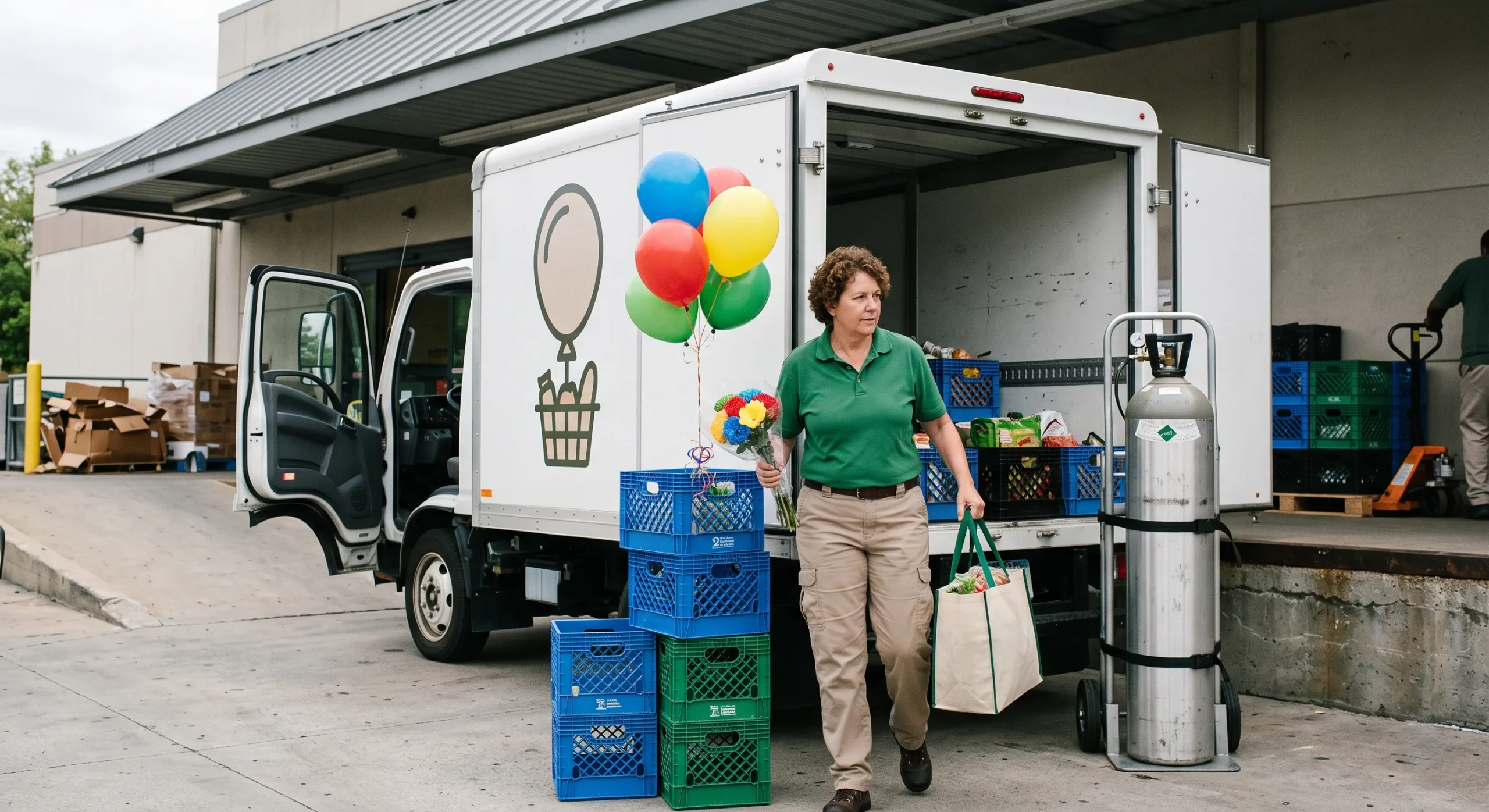
For event businesses in Toronto and the GTA, timing is everything. A balloon decorator may have a wedding setup at 8 a.m., a corporate event in the afternoon, and another installation that evening. If helium does not arrive when expected, the entire schedule can quickly fall behind. That is why choosing between same day helium delivery and scheduled helium delivery is more than a question of convenience. It can affect costs, staff time, customer satisfaction, and the ability to complete installations on time. The GTA’s event market also continues to show strong activity. Statistics Canada reported that Canada’s spectator sports, event promoters, artists, and related industries generated $13.8 billion in operating revenue in 2024, up 9.3% from 2023. Event promoters alone generated $5.3 billion, an 11.1% increase. This growth makes dependable helium delivery for events increasingly important for businesses serving busy venues and customers. What Is Scheduled Helium Delivery? Scheduled helium delivery means arranging your supply before you actually need it. Instead of waiting until your cylinders are nearly empty, you establish a regular delivery schedule based on your average usage. For example, a balloon decorator that uses several cylinders every week may arrange deliveries every Tuesday. During wedding season or other busy periods, the business can increase the quantity or delivery frequency. A GTA supplier such as Welders Supply & Gases Inc. offers scheduled delivery options for businesses across the region, including Toronto, Mississauga, Brampton, Vaughan, Markham, and other GTA locations. What Is Same-Day Helium Delivery? Same day helium delivery is designed for urgent situations. A business may discover that it has fewer cylinders than expected, receive a last-minute event booking, or use more helium than planned during a large installation. Instead of waiting for the next regular delivery, the business requests an urgent shipment. Some GTA suppliers advertise same-day or emergency support, although availability, cutoff times, delivery areas, and additional charges can vary. For example, local balloon delivery businesses in the GTA advertise same-day services with specific order cutoffs, while large deliveries may require advance notice. Same-Day vs Scheduled Helium Delivery Factor Same-Day Helium Delivery Scheduled Helium Delivery Best for Emergencies and unexpected demand Regular business operations Urgency Very high Planned in advance Cost control May involve rush or emergency charges Easier to budget Reliability Depends on availability and timing More predictable Inventory planning Reactive Proactive Peak-season use Useful as backup Best for preparing ahead Staff planning Can create last-minute changes Easier to coordinate Best business fit Retailers and decorators with unexpected demand High-volume decorators, venues and recurring users Which Option Costs Less? Scheduled delivery usually makes budgeting easier because businesses know when supplies are coming and can plan their cylinder requirements in advance. It can also reduce the risk of paying for urgent transportation or making repeated emergency orders. Same-day delivery may cost more depending on the supplier, distance, order size, and urgency. Some GTA delivery businesses explicitly charge additional fees for specific-time or rush delivery. However, the cheapest delivery is not always the lowest-cost option overall. If a decorator misses a setup because helium is unavailable, the business may face overtime, additional transportation costs, refunds, or damage to a client relationship. The real cost of a shortage can therefore be much greater than the delivery charge itself. Which Is More Reliable? For predictable demand, scheduled helium delivery is usually the stronger option. A recurring schedule gives businesses a better way to monitor cylinder levels and prepare for upcoming events. It also reduces dependence on last-minute availability. This is especially important for decorators handling several installations in one day. A delivery arriving hours later than planned can affect transportation, labor, and venue access. For emergency situations, however, same-day delivery can provide an important safety net. The ideal event business helium supply strategy therefore, combines both: scheduled deliveries for normal operations and emergency support when unexpected demand occurs. Example: Balloon Decorator Imagine a decorator has three weddings scheduled for Saturday. The business normally uses eight cylinders each week but expects to use twelve because of the larger installations. With scheduled delivery: The decorator reviews the upcoming bookings and increases the weekly order before the weekend. The cylinders arrive before the installation schedule begins. With only same-day delivery: The decorator discovers on Saturday morning that only two full cylinders remain. Now the business must find an available supplier, arrange urgent delivery, and potentially delay the first installation. For decorators, scheduled supply is usually the better primary option, while emergency delivery provides additional protection. GTA suppliers serving party businesses offer both scheduled delivery and faster refill or exchange support, giving retailers options based on their usage. Why Peak Seasons Require a Different Strategy Event businesses should not plan helium supply based only on average weekly usage. Graduations, weddings, corporate events, holidays, and large community celebrations can create periods of higher demand. Statistics Canada reported that Canada’s event-promoter industry grew 11.1% in operating revenue during 2024, showing the continued strength of the live-event market. Increasing scheduled deliveries before demand rises is usually safer than waiting until inventory becomes critically low. When Should You Choose Same-Day Delivery? Same-day helium delivery makes sense when: A major event was booked unexpectedly. Your normal helium usage suddenly increases. A cylinder is damaged or becomes unavailable. A delivery is delayed. A large installation requires more helium than estimated. You have an event approaching and discover an inventory shortage. However, businesses should confirm the supplier’s same-day cutoff time, service area, delivery window, and availability before relying on the service. When Should You Choose Scheduled Delivery? Scheduled helium delivery is generally better when: Use helium every week. Manage recurring events. Operate a busy balloon-decorating business. Have multiple retail locations. Regularly serve venues or corporate clients. A scheduled plan also gives your supplier a clearer picture of your normal requirements. What to Look for in a Commercial Helium Supplier Before choosing a helium supplier Toronto businesses can depend on, ask these questions: 1. Do you offer scheduled delivery? A supplier should be able to