
Argon gas for aluminum welding in Toronto and the GTA
Aluminum pulls heat away from the weld roughly three to four times faster than mild steel, hides under an oxide skin that melts at about 2,050°C, and turns the smallest trace of moisture into porosity. So the gas you shield it with has to be right.
Welders Supply & Gases supplies pure argon, the standard aluminum TIG and MIG welding gas, to fabricators, repair shops and manufacturers across Toronto and the GTA. Buy argon cylinders from us, refill or exchange them at our Scarborough location, or have them delivered to your shop.
Since 2010
Family-run in Scarborough
1000+
GTA businesses supplied
18+
Cities on our delivery routes
CGA 580
Argon cylinders refilled on site
Why is argon used for aluminum welding?
Molten aluminum reacts with the air almost instantly. Oxygen builds fresh oxide in the puddle. Moisture in the air breaks down in the arc and releases hydrogen, which molten aluminum soaks up easily and then pushes out as it freezes. Whatever hydrogen can’t escape in time stays behind as porosity.
Argon is inert, so it doesn’t react with the puddle at all. It sits over the weld and keeps oxygen and moisture out. In AC TIG welding, argon also supports the cleaning action that breaks up the oxide skin during the electrode-positive half of each cycle.
Gas is only part of the job, though. A lot of aluminum porosity starts before the arc does: oil on the plate, a hydrated oxide layer on stock that’s sat in a damp corner, or wire left sitting on the machine. Wipe the joint with solvent, brush it with a stainless brush you keep for aluminum only, and weld soon after. Your machine settings and technique count just as much. Good argon won’t save a dirty joint.
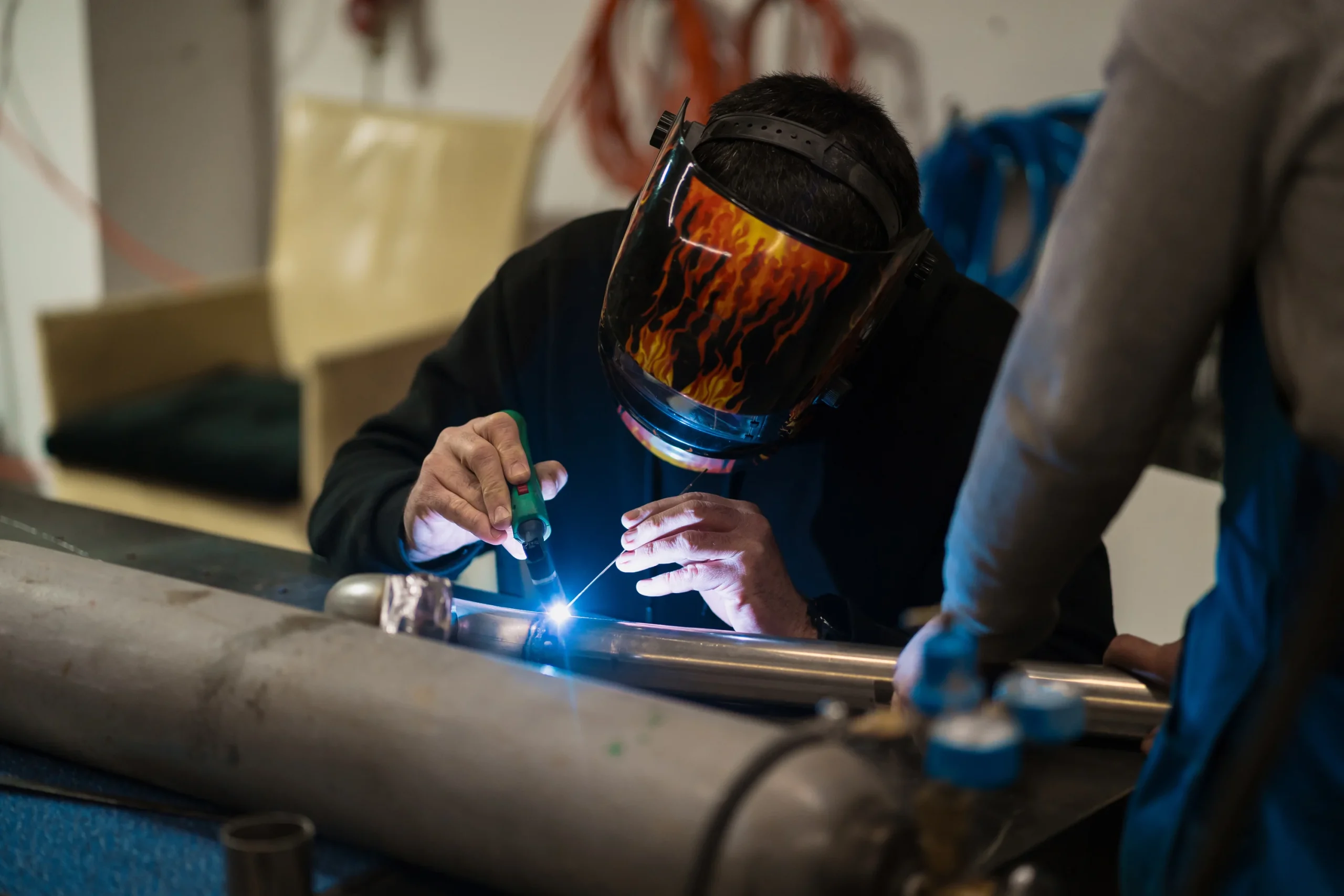
Pure argon for aluminum welding
Pure argon is the most widely used shielding gas for aluminum TIG and MIG welding. It provides good arc cleaning, clean welds, and effective coverage. High purity is essential because moisture can contribute to hydrogen-related weld defects. Hobart Brothers recommends argon purity of at least 99.997% and a dew point of −60°C or lower for aluminum welding. For thin and medium sections, pure argon is generally suitable. Thick aluminum may benefit from argon-helium mixtures, which provide greater heat penetration but cost more and require higher flow rates.
Always select gas based on the alloy, thickness, process, equipment, and qualified welding procedure.
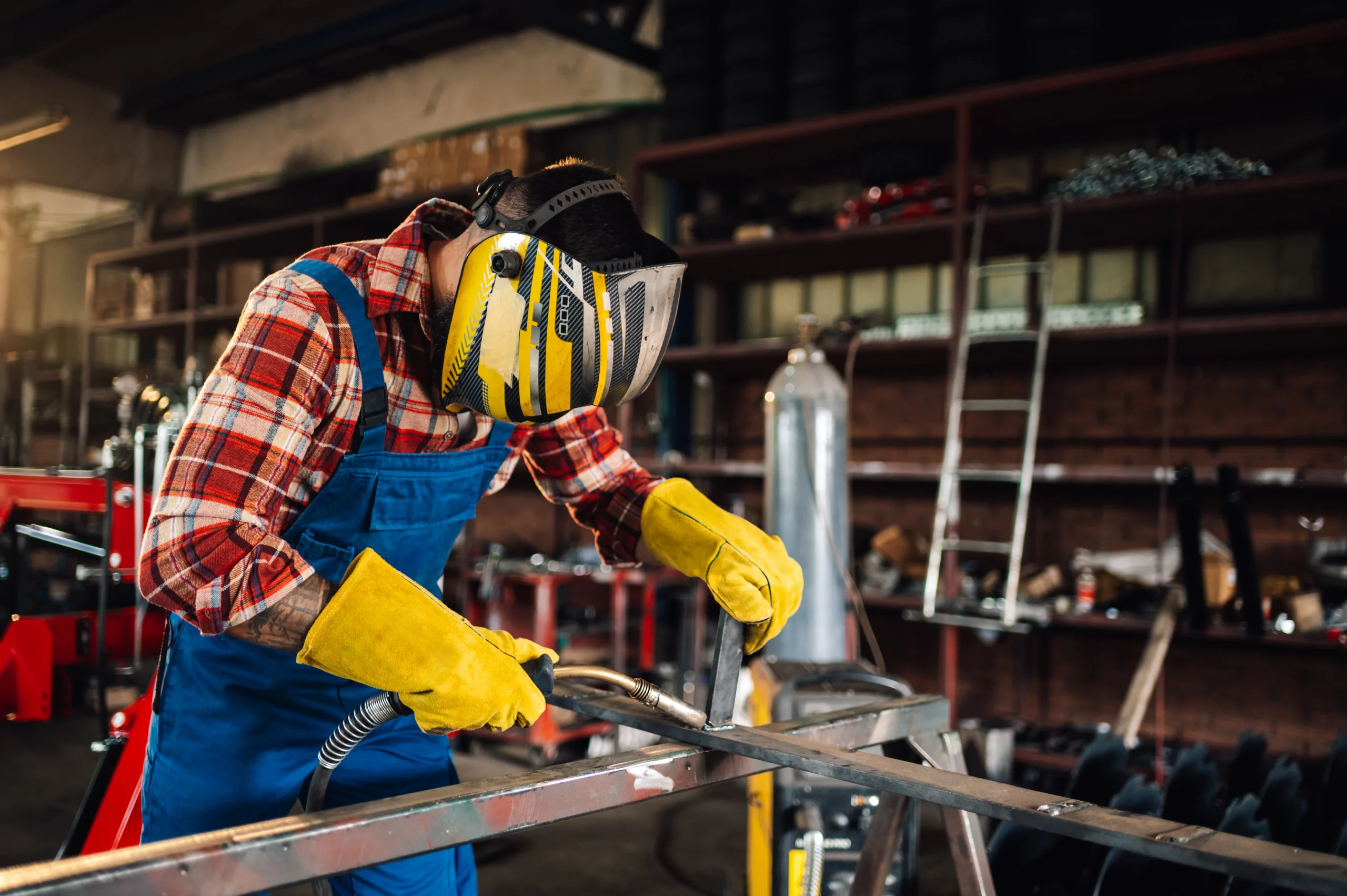
Argon gas for aluminum TIG vs. MIG welding
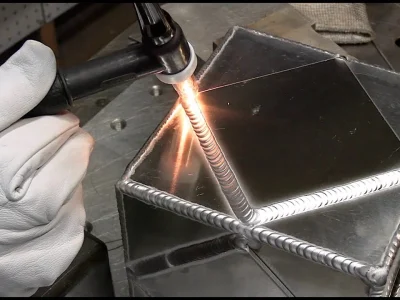
TIG welding aluminum
TIG gives you the most control over aluminum. Shops use it for thin sheet, welds that will be on show, precision parts and repairs. Typical jobs include custom fabrication, tanks, machined components, and cracked brackets, housings and castings. Most of this runs on AC with pure argon, so the arc breaks up the oxide while the argon protects the puddle. Match the gas to your torch, cup, flowmeter and welding procedure. If a procedure calls for an argon-helium mix on a thick joint, that's what goes in the cylinder. For TIG on steel and stainless, see our page on argon gas for TIG welding.
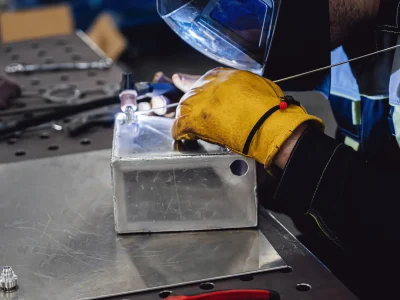
MIG welding aluminum
MIG is the faster choice for production aluminum: trailer frames, truck bodies, boat structures and long seams on thicker material. Aluminum MIG usually runs in spray or pulsed-spray transfer, with a spool gun or push-pull gun to feed the soft wire without tangling it. Pure argon is the standard gas for most of this work. On thicker sections, argon-helium mixtures add heat for better penetration at the root. One rule doesn't bend. Aluminum MIG needs an inert gas, so the 75/25 argon-CO2 mix on your steel MIG machine is off the table; it will oxidise the puddle and leave a sooty, porous weld. Beyond that, the right gas depends on the alloy, thickness, transfer mode, wire (4043 and 5356 are the common fillers) and your welding procedure.
| Comparison | TIG Welding Aluminum | MIG Welding Aluminum |
|---|---|---|
| Usual Gas | Pure argon | Pure argon |
| When a Mix Helps | Argon-helium on very thick sections. Hobart cautions that more than 25% helium can make the TIG arc unstable. | Argon-helium on thick sections for deeper penetration. Higher helium blends, such as 75% helium and 25% argon, are used here. |
| Typical Work | Thin sheet, visible welds, precision parts, repairs, and castings | Production welding, frames, trailers, marine structures, and thicker plate |
| Other Settings That Matter | AC balance, tungsten, cup size, and a clean joint | Transfer mode, wire alloy, gun type, and a clean joint |
| Never Use | Argon-CO2 or any other active gas | Argon-CO2 or any other active gas |
Common applications for aluminum welding gas
Aluminum fabrication
Aluminum fabrication shops in the GTA build frames, panels, brackets, enclosures, railings, ramps and platforms, along with custom components. Many of these parts are thin and visible, making weld quality and surface appearance important. Porosity, soot and inconsistent welds can lead to rework and delays. A reliable argon supply and consistent gas setup help maintain clean welds, improve finish quality and keep fabrication work moving.
Maintenance and repair work
Maintenance teams and repair shops regularly weld aluminum components such as pump housings, conveyor guards, truck boxes and damaged equipment. These repairs often need to start immediately, making reliable gas availability important. Keeping a spare cylinder on site or arranging deliveries around actual usage helps avoid unnecessary downtime. A consistent shielding gas supply supports clean welds, dependable repairs and faster turnaround when equipment needs to return to service.
Marine and specialty fabrication
Marine fabrication includes boat hulls, pontoons, docks, gangways, railings and fuel tanks. These applications often use corrosion-resistant aluminum alloys such as 5052 and 5083, making them suitable for Ontario's marine environments. Welding requirements depend on the alloy, material thickness and joint design. Thicker structural joints may benefit from an argon-helium mix, while thinner railing tubes and lighter fabrication work can often be welded using pure argon.
Transportation and automotive components
Aluminum is widely used in trailers, truck bodies, toolboxes, ramps, racks and vehicle structures. Fabrication shops commonly use MIG welding for longer seams and TIG welding for repairs, thinner materials and finish work. Different components require different welding approaches, fillers and shielding gases. Structural parts and vehicle body panels may also have specific repair restrictions, so always check the manufacturer's repair procedure before welding.
How to choose the right shielding gas for aluminum
No single gas is right for every aluminum job. Working through these questions will narrow it down quickly:
- Are you welding TIG or MIG? Both usually start with pure argon, but flow rates, equipment and settings differ.
- Which alloy, and how thick? Thin and medium 5000- and 6000-series material generally welds well on pure argon. Thick plate is where argon-helium mixes earn their extra cost. Some alloys, such as 7075, are generally considered poor candidates for arc welding, so check before you start.
- What's the joint? Fillet, butt, lap and full-penetration joints each put different demands on heat and penetration.
- What does your equipment allow? Check the specifications for your torch or gun, wire and flowmeter, and make sure your regulator suits the gas.
- Pure argon or a mix? Start with pure argon unless thickness, travel speed or the procedure gives you a reason to add helium.
- What does the welding procedure say? If you work to a written procedure or a customer's specification, it overrides everything else on this list.
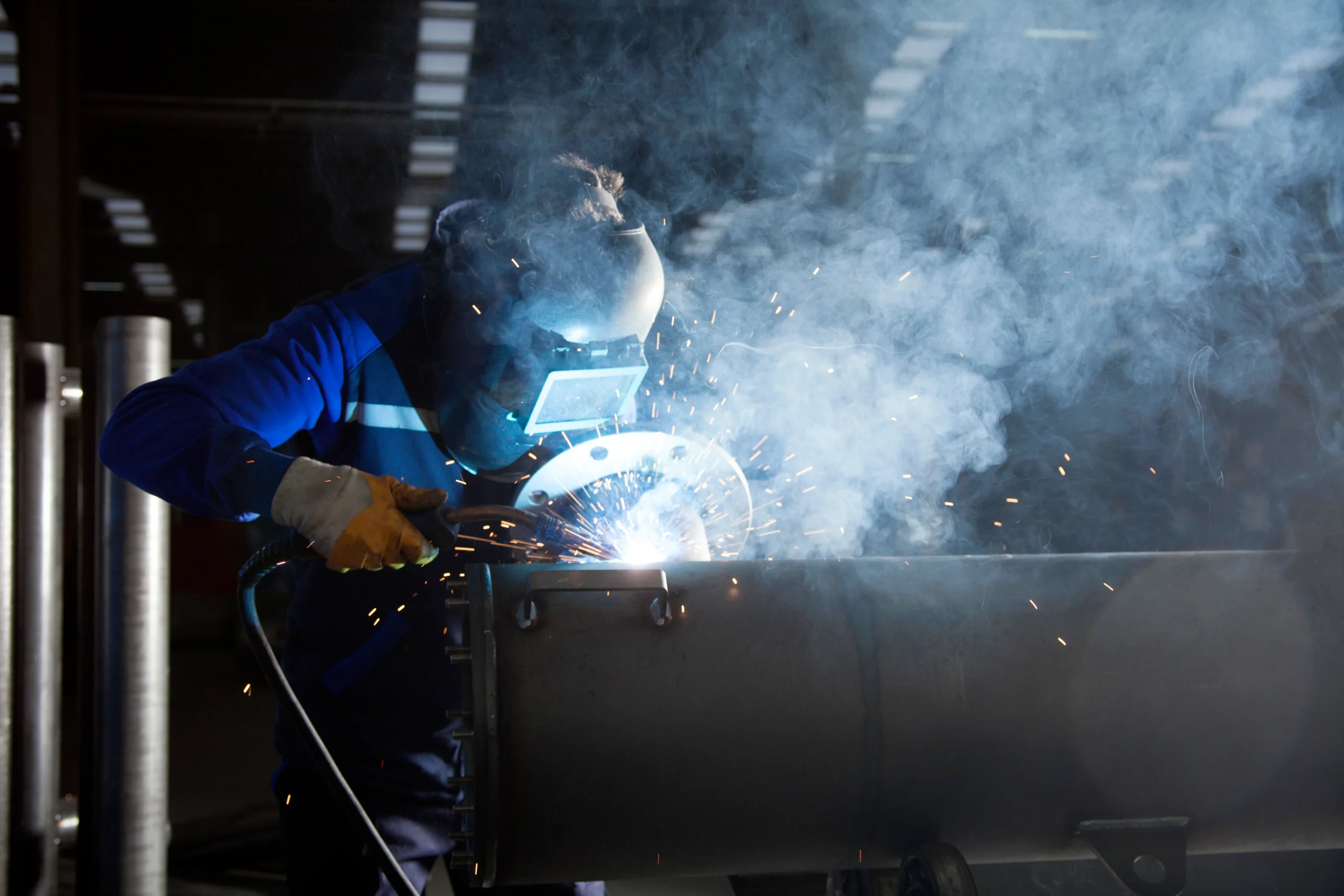
Aluminum welding argon gas supply
Argon gas cylinders
We sell pure argon in a choice of cylinder sizes, from portable cylinders for a mobile TIG rig or spool-gun setup up to large high-pressure cylinders for production shops. To find your size, tell us whether you weld TIG or MIG, how many hours a week, and how many stations you run. Aluminum MIG generally runs at higher flow rates than TIG, so a MIG shop often needs a bigger cylinder or more frequent refills.
Refills and exchanges
Bring your argon cylinder to 62 Hymus Road in Scarborough for a refill. We fill most common sizes the same day, or you can swap an empty for a full one through our exchange option. When you call, have your cylinder size, the test date stamped on the shoulder and a rough idea of your monthly gas use ready. Argon cylinders use a CGA 580 valve. With those details we can confirm the cylinder qualifies, and tell you whether a bigger size or a regular refill would save you trips.
Delivery for workshops and businesses
We deliver to workshops, plants and job sites in Scarborough, Toronto, North York, Etobicoke, Mississauga, Brampton, Oakville, Burlington, Vaughan, Woodbridge, Markham, Richmond Hill, Stouffville, Aurora, Newmarket, Pickering, Ajax, Whitby and Oshawa. When you ask about delivery, send your address and site access details (loading dock, receiving hours, any restrictions), the date you need gas by, the cylinder sizes and quantities, and your approximate monthly usage.
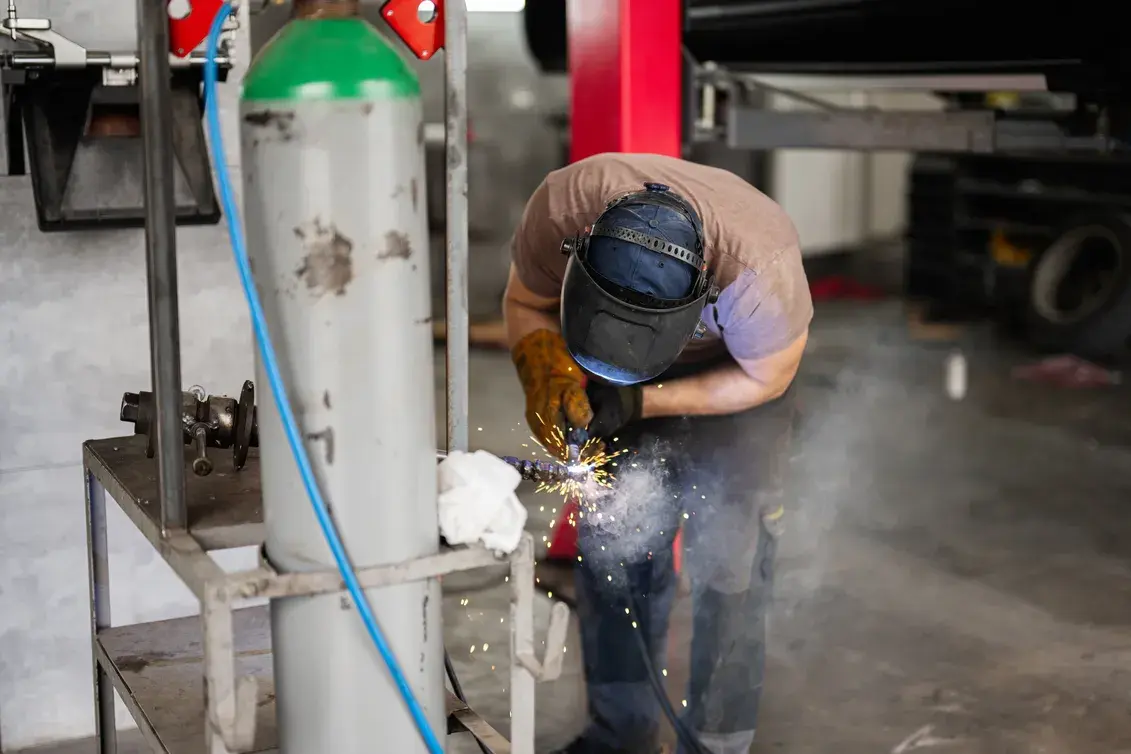
Choosing an aluminum welding gas supplier in the GTA
When you compare suppliers, look past the price of a single fill. Check that they keep pure argon in stock in the size you use, and that refills and exchanges don’t mean a long wait. Confirm they deliver to your part of the GTA. And when you call with a question about aluminum gas, someone should be able to answer it.
Welders Supply & Gases is a family-run supplier at 62 Hymus Road in Scarborough. We’ve served welding and industrial customers across Toronto and the GTA since 2010. We also sell welding equipment from Miller, Lincoln Electric and ESAB, so a regulator or flowmeter can go on the same order as your argon. There’s no long supply contract to sign.
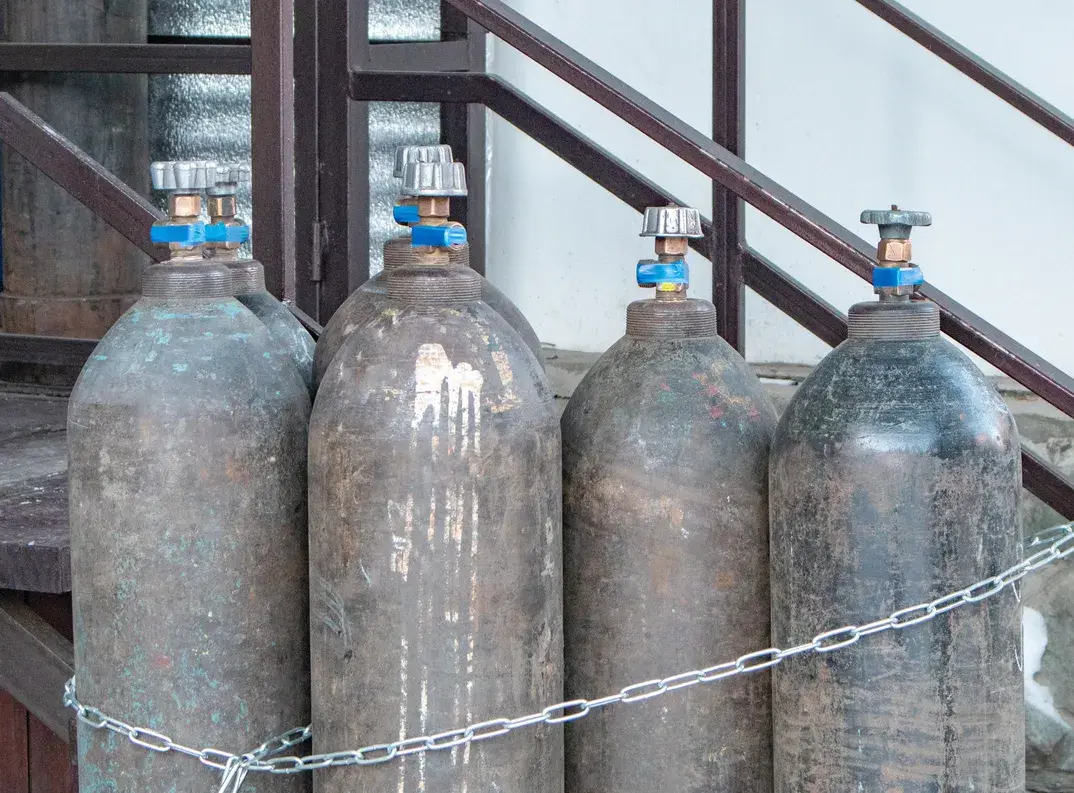
Gas handling and safety
A few basics apply to every argon cylinder in your shop:
- Keep cylinders upright and secured with a chain or strap. Cap the valve before moving one.
- Use a regulator or flowmeter rated for argon with a CGA 580 inlet, and check the connections for leaks at every cylinder change.
- Argon has no smell and displaces oxygen. It's heavier than air and can pool in pits, tanks and enclosed spaces, so ventilate when welding in tight areas.
- Follow Ontario workplace requirements for storing and handling compressed gas, your equipment manufacturer's instructions and the argon Safety Data Sheet (SDS), available on our SDS page.
Request Argon gas for aluminum welding
Tell us about your aluminum work and we'll come back with pricing and availability for argon cylinders, refills, exchanges and delivery. Include your welding process (TIG, MIG or both), where you are in the GTA, roughly how much gas you use, and the cylinder sizes you have or want.
Testimonials
Trustindex verifies that the original source of the review is Google. Best friendliest gas supply shop in all Toronto. Thank you Zain!Trustindex verifies that the original source of the review is Google. Umar was very helpfulTrustindex verifies that the original source of the review is Google. Been going here for my welding gases and automotive grade nitrous for over a year now. I switched from the large gas chains to them. Not only am I saving money now on all my gases and tanks, but their customer service is top notch. They fill nitrous bottles fast on the spot and have mother tanks available if that's what you prefer. They even stayed past their closing time to help me recover, repair a leak, and refil my automotive NOS bottles one day when I came close to closing. Can't thank or recommend them enough, no large gas chain provides that level of customer serviceTrustindex verifies that the original source of the review is Google. Highly recommend Welders Supply and Gasses Inc. Ran out of C25....and had OLD bottle from TSC. Recertified and filled for an amazing price. Service was super friendly and helpful as well. Will be headed there when the 100% Argon runs out too!Trustindex verifies that the original source of the review is Google. Great staff! Umar is very helpful. Highly recommend especially if you need CO2Trustindex verifies that the original source of the review is Google. Umar in the shop is always super helpful and makes getting my tanks easy!Trustindex verifies that the original source of the review is Google. I recommend this place for any type of gas. These guys do better service. Umer gives the best service.
Argon Gas Supply FAQs
Is pure argon suitable for aluminum welding?
Yes, for most jobs. Pure argon is the standard gas for aluminum TIG welding and most aluminum MIG welding. Thick sections or a specific welding procedure may call for an argon-helium mixture instead.
Can I use the same argon gas for aluminum TIG and MIG welding?
Generally, yes. Welding-grade pure argon works for both processes, so one cylinder can serve a TIG machine and a MIG machine. Each setup needs its own suitable regulator or flowmeter, and MIG usually runs at a higher flow rate. If either process is welded to a procedure that names a different gas, follow the procedure.
What is the difference between TIG and MIG gas for aluminum?
In most shops there’s no difference, because both use pure argon. The gap shows up with helium mixes. MIG can use higher-helium blends on thick plate, while the TIG arc gets less stable as helium content rises. Flow rates and equipment also differ between the two processes.
Can an argon/helium mixture be used for aluminum MIG welding?
Yes. Argon-helium mixes are used for aluminum MIG on thicker sections, where the extra heat improves penetration and can allow faster travel. They cost more and need higher flow rates, so shops usually choose them for a specific job rather than as a default. Ask us about availability.
How do I choose the correct argon cylinder for aluminum welding?
Base it on how much gas you use. A small cylinder suits occasional TIG repairs or mobile work. A shop running MIG on production aluminum, or several stations at once, usually needs larger cylinders or a regular delivery. Tell us your process and weekly hours and we’ll suggest a size.
Where can I buy argon gas for aluminum welding in the GTA?
At Welders Supply & Gases, 62 Hymus Road, Scarborough. You can buy, refill or exchange cylinders there Monday to Friday, 9 a.m. to 5 p.m. We also deliver across Toronto and the GTA.
Do you supply other gases for aluminum fabrication?
Yes. Along with pure argon, we supply argon-CO2 blends for MIG welding steel, oxygen and acetylene for cutting and heating steel, plus nitrogen, CO2 and helium. Keep the argon-CO2 for steel only.