
Argon gas for TIG welding in Toronto and the GTA
If you run a TIG torch for a living, the gas should be the one part of the setup you never think about. It should be in the cylinder, at the right purity, every time you open the valve.
Welders Supply & Gases supplies argon gas for TIG welding to fabrication shops, welding contractors and maintenance crews across Toronto and the GTA. We sell argon cylinders, refill and exchange cylinders at our Scarborough location, and deliver to shops from Oshawa to Burlington. Tell us what you weld and how quickly you go through gas, and we’ll set you up with the right supply.
15+
Years supplying GTA welders
1000+
Businesses served
18+
GTA cities on our delivery routes
Same day
Refills on most argon cylinders in Scarborough
Argon gas supply for TIG welding
TIG welding melts metal with an arc from a tungsten electrode. The moment that molten pool meets open air, it starts picking up oxygen and nitrogen. Shielding gas keeps the air out. Without it you get porosity, dull grey or crumbly welds, and a tungsten that oxidises almost as soon as the arc starts.
Argon is the shielding gas most TIG work runs on, so treat it like filler rod: a consumable you can’t run out of. When a cylinder runs dry halfway through a job, the torch stops. Shops that TIG weld every day need a supplier who keeps argon in stock and turns empties around quickly.
We stock pure argon in several cylinder sizes, plus argon-CO2 blends for the MIG side of your shop. Buy a cylinder, refill your own, swap an empty for a full one, or have it delivered.
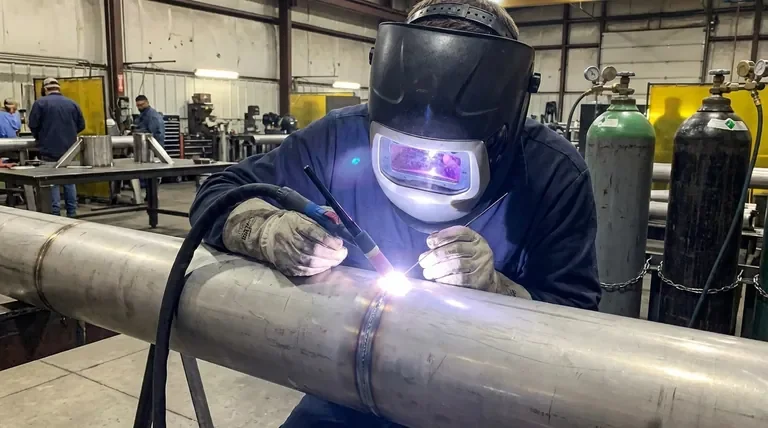
Why is argon used for TIG welding?
Argon is an inert gas. It doesn’t react with the weld pool, the tungsten or the filler metal, even at arc temperatures. Its job is to push the air away from the weld and stay put.
It’s also about 1.4 times as dense as air, so it settles over the joint instead of drifting off.
Then there’s the arc. Argon ionises more easily than helium, so the arc strikes readily and stays steady at low amperage. That matters on thin stainless sheet, where a wandering arc means burn-through. On aluminum, argon also gives good cleaning action during the AC cycle, breaking up the oxide layer ahead of the puddle.
Good gas still needs good equipment. A loose fitting or cracked hose can draw air into the gas line and cause porosity, however pure the cylinder is.
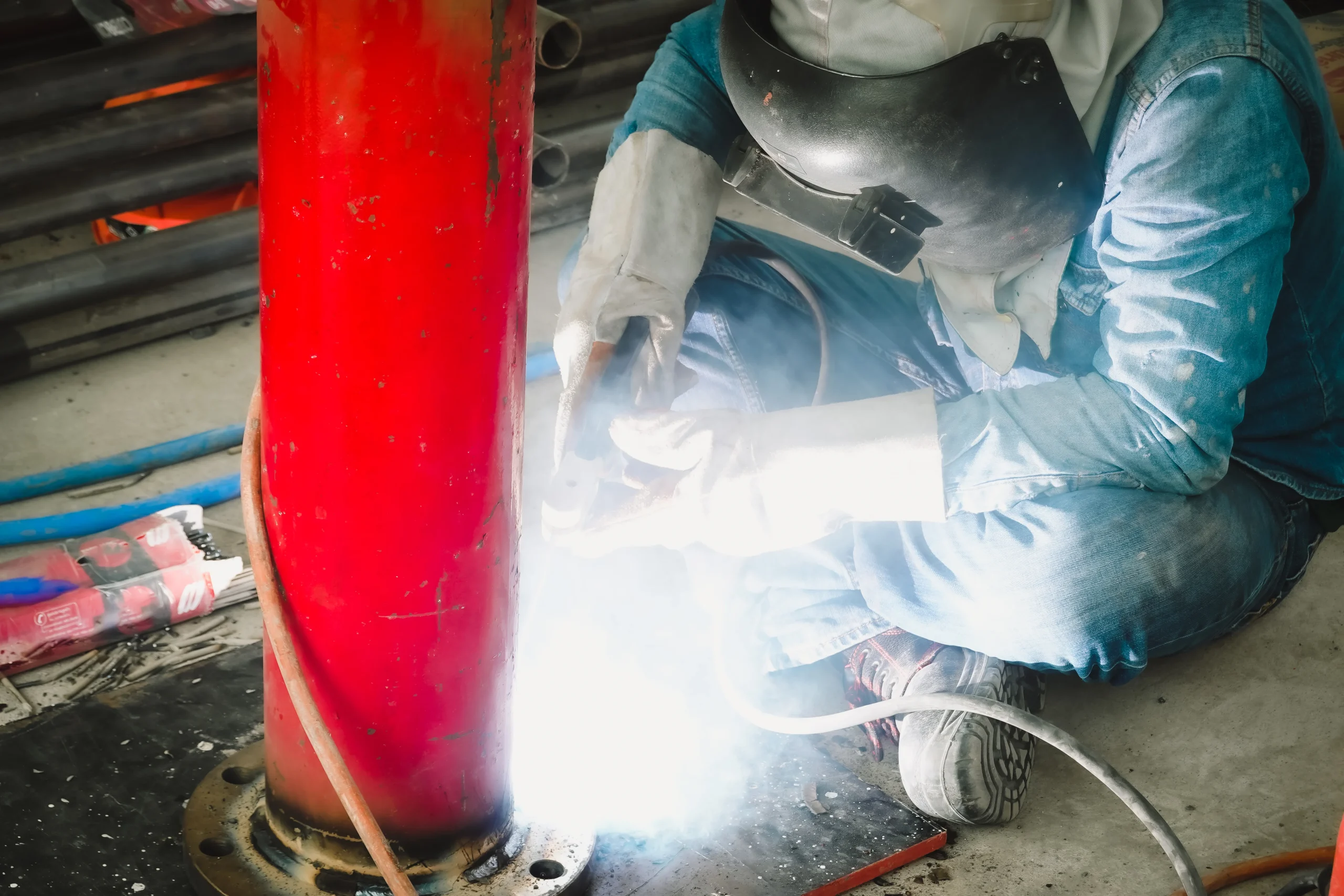
Applications of TIG welding argon
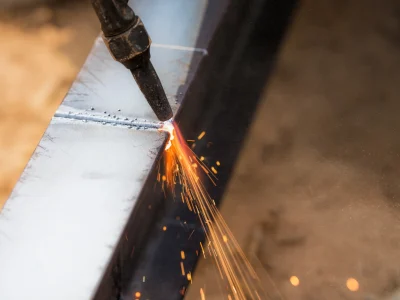
Stainless steel TIG welding
Plenty of TIG work in GTA shops is stainless: railings and guardrails, commercial kitchen equipment, food and pharmaceutical process piping, brackets, enclosures, and repairs on pumps and tanks. Pure argon is the standard shielding gas for most of it. Stainless work often uses more argon than shops expect. Pipe and tube welds usually need a back purge, where argon fills the inside of the pipe so the root doesn't oxidise into a rough, grey 'sugared' surface. If you do sanitary or process piping, plan for purge gas on top of torch gas when you size your cylinders.
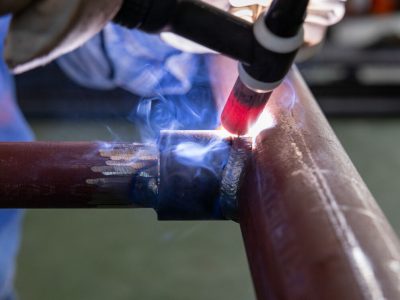
Aluminum TIG welding
Aluminum is usually TIG welded on AC with pure argon. The metal carries a tough oxide skin that melts at roughly 2,050°C, more than three times the melting point of the aluminum underneath (about 660°C). The AC arc, shielded by argon, breaks up that skin so the filler can flow into a clean puddle. Truck bodies, trailers and boat parts are typical jobs. For thick sections, gas choice and cylinder planning, see our page on argon for aluminum welding.
Metal fabrication and repair
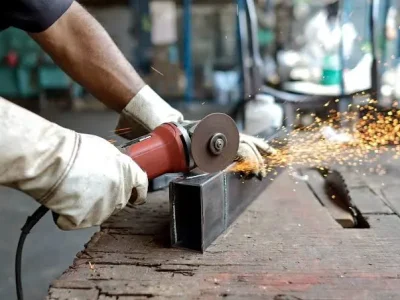
In a general fab shop, TIG is the process for jobs that have to look good or pass inspection: visible welds, thin material, root passes, and repairs on parts that are hard to replace. Maintenance teams use it to rebuild worn shafts, housings and brackets instead of waiting weeks for new ones. Here the gas question is mostly about planning. A shop that TIG welds a few hours a week can get by with a small cylinder. A shop running three stations all day will empty small cylinders fast, so larger cylinders or a standing delivery usually make more sense. Tell us how many torches you run and we'll suggest a setup.
Is pure argon best for TIG welding?
For most TIG work, yes. Pure argon is the usual choice for aluminum and for most stainless and carbon steel. Most TIG machines and welding procedures are set up around it.
But it isn’t the answer to every job. Adding helium raises the heat in the arc. That helps on thick aluminum, copper and some automated welding, where pure argon struggles to get full penetration. Helium has trade-offs: it costs more, it needs a higher flow rate because it’s so light, and it makes the arc harder to start. Ask us if you think a helium mix suits your work.
One thing that doesn’t belong in a TIG torch is the argon-CO2 mix from your MIG machine. CO2 is an active gas. In TIG, it attacks the tungsten, which erodes and contaminates the weld. Keep a separate pure argon cylinder for TIG.
| Shielding Gas | Where TIG Welders Use It | What to Know |
|---|---|---|
| Pure Argon | Aluminum (AC), stainless steel, carbon steel, thin sheet, and most general TIG work | Easy arc starts and a stable arc at low amperage. The default choice for most shops. |
| Argon-Helium Mix | Thick aluminum, copper, and some automated welding | Produces a hotter arc and deeper penetration. Costs more and requires a higher flow rate. |
| Argon-CO2 (such as C25) | MIG welding only | Not suitable for TIG welding. CO2 can oxidize and contaminate the tungsten electrode and weld. |
The right gas depends on the material, its thickness, your equipment and the welding procedure. If you’re working to a written procedure, follow the gas it specifies.
Choosing a TIG welding gas supplier
Most shops choose a TIG welding gas supplier once and stick with them for years. Before you commit, ask a few direct questions:
Do they keep welding-grade pure argon in stock, and can they tell you its purity?
Which cylinder sizes do they carry, and can you move up a size as your work grows?
Can you refill your own cylinder, or exchange an empty for a full one, without a long wait?
Do they deliver to your part of the GTA, and how much notice do they need?
When you call with a question about gas or an order, does someone who knows the answer pick up?
Argon gas cylinders, refills and delivery
Argon cylinder supply
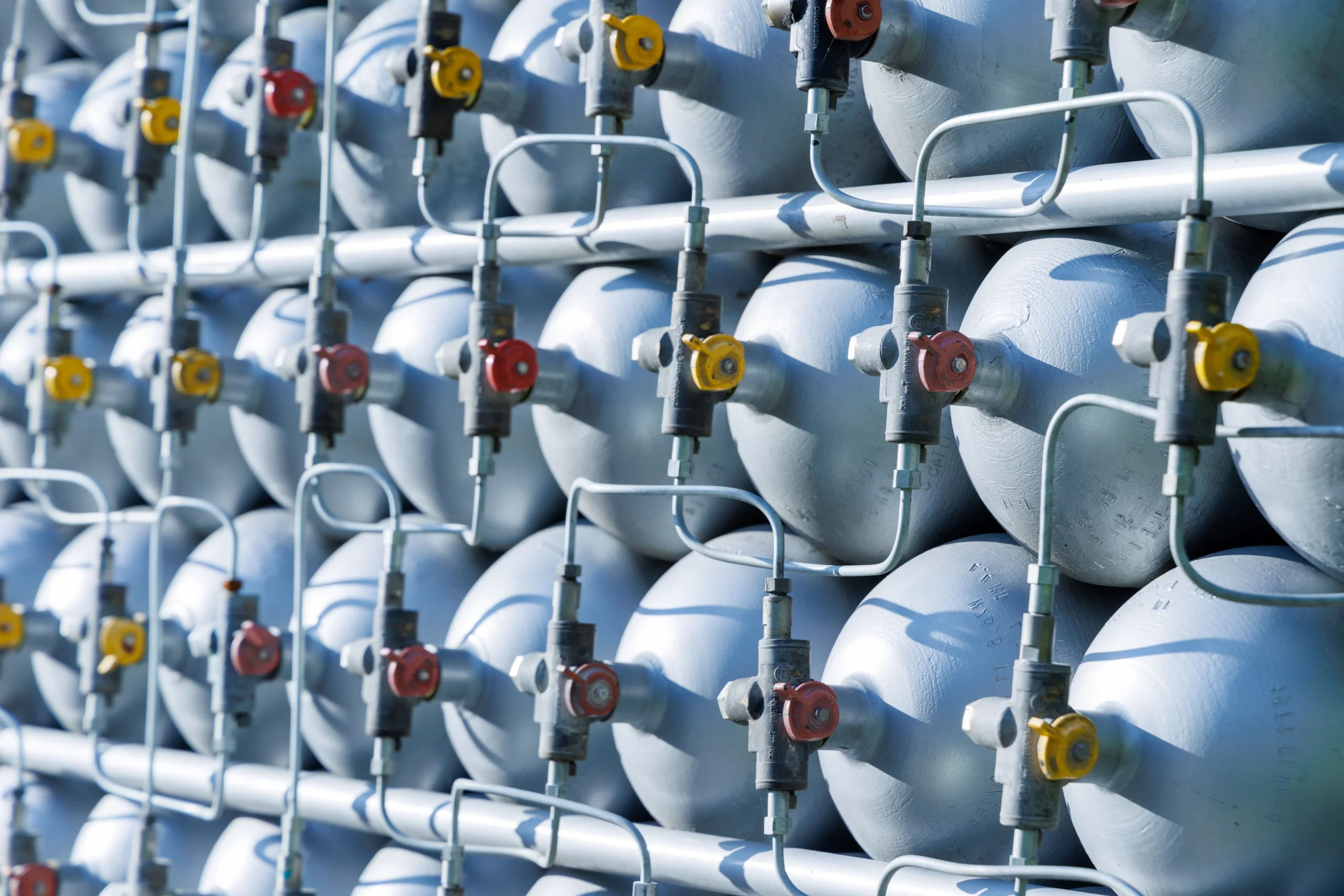
We sell pure argon in a choice of cylinder sizes, from small portable cylinders that fit on a mobile TIG cart up to tall high-pressure cylinders for production shops. Tell us how many hours a week you TIG weld and whether you back purge, and we'll suggest a size. A larger cylinder costs more up front, but it usually works out cheaper per cubic foot.
Cylinder refills and exchanges
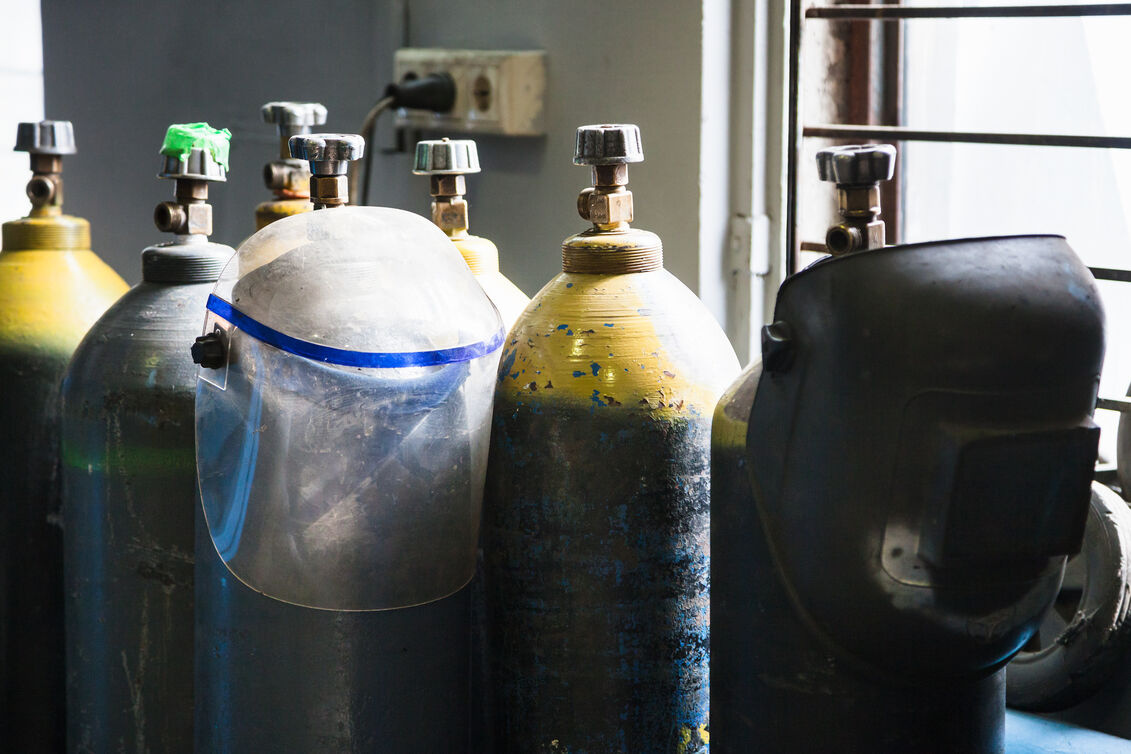
Already own an argon cylinder? Bring it to our Scarborough location for a refill. Argon cylinders use a CGA 580 valve, and we refill most common sizes the same day. If you'd rather not wait at all, use our exchange option: drop off an empty and leave with a full one. Not every cylinder can be refilled. It has to be within its requalification (hydrostatic test) date, with the valve and body in good condition. Call ahead with the size and the test date stamped on the shoulder and we'll confirm it qualifies.
Your local argon gas supplier in Scarborough
Welders Supply & Gases opened in Scarborough in 2010 as a family business, and it’s still run that way. The person who answers your call usually knows your account, your cylinders and the kind of work you do.
We also sell welding equipment from Miller, Lincoln Electric and ESAB, so an argon regulator or flowmeter can go on the same order as your gas.
Gas selection and safety information
A few basics apply to every argon cylinder in your shop:
- Label TIG and MIG cylinders so nobody grabs the wrong one.
- Fit a regulator or flowmeter rated for argon with a CGA 580 connection, and check the fittings for leaks each time you change a cylinder.
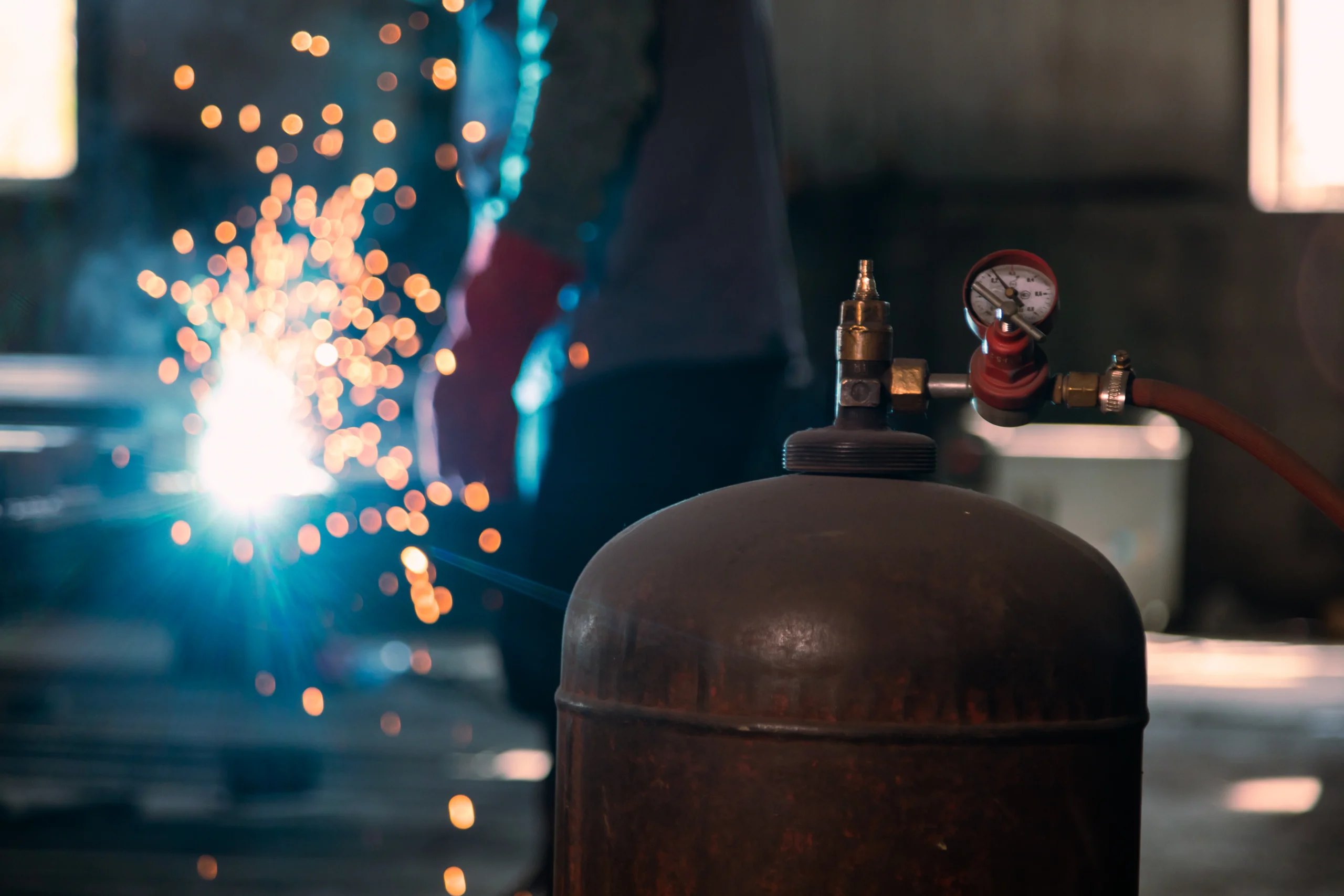
- Keep cylinders upright and chained or strapped in place. Cap the valve before moving one.
- Argon has no smell and displaces oxygen. Because it's heavier than air, it can collect in pits, tanks, trenches and other low or enclosed spaces. Ventilate when welding in tight areas, and never enter a space that has been purged with argon until it has been tested and cleared.
- Follow your equipment manufacturer's instructions and the argon Safety Data Sheet (SDS), available on our SDS page.
Request Argon gas for TIG welding Gas Supplier?
Whether you run one TIG station or ten, send us a few details and we'll come back with pricing and availability. Let us know where you are in the GTA, what you weld (material and typical thickness), roughly how much argon you use, and the cylinder sizes you have or want. If you already own cylinders, include their size and test date.
Testimonials
Trustindex verifies that the original source of the review is Google. Best friendliest gas supply shop in all Toronto. Thank you Zain!Trustindex verifies that the original source of the review is Google. Umar was very helpfulTrustindex verifies that the original source of the review is Google. Been going here for my welding gases and automotive grade nitrous for over a year now. I switched from the large gas chains to them. Not only am I saving money now on all my gases and tanks, but their customer service is top notch. They fill nitrous bottles fast on the spot and have mother tanks available if that's what you prefer. They even stayed past their closing time to help me recover, repair a leak, and refil my automotive NOS bottles one day when I came close to closing. Can't thank or recommend them enough, no large gas chain provides that level of customer serviceTrustindex verifies that the original source of the review is Google. Highly recommend Welders Supply and Gasses Inc. Ran out of C25....and had OLD bottle from TSC. Recertified and filled for an amazing price. Service was super friendly and helpful as well. Will be headed there when the 100% Argon runs out too!Trustindex verifies that the original source of the review is Google. Great staff! Umar is very helpful. Highly recommend especially if you need CO2Trustindex verifies that the original source of the review is Google. Umar in the shop is always super helpful and makes getting my tanks easy!Trustindex verifies that the original source of the review is Google. I recommend this place for any type of gas. These guys do better service. Umer gives the best service.
Argon Gas Supply FAQs
Why is argon used for TIG welding?
Argon is inert, so it shields the weld pool and tungsten from air without reacting with either. It also gives easy arc starts and a steady arc at low amperage.
Can I use pure argon for TIG welding stainless steel?
Yes. Pure argon is the standard shielding gas for most stainless TIG work. For pipe and tube you’ll usually need argon for a back purge as well.
Is argon suitable for aluminum TIG welding?
Yes. Pure argon on AC is the usual setup for aluminum. On thick sections, some welders switch to an argon-helium mix for extra heat.
What gas flow rate is required for TIG welding?
There isn’t one number that suits every job. The right flow depends on your cup size, whether you use a gas lens, the joint, the amperage and how drafty the work area is. Start with your torch manufacturer’s guidance. More flow isn’t always better, since too much creates turbulence that can pull air into the shield. If you see porosity or discoloured welds, check for leaks and drafts before you turn the flow up.
Which argon cylinder should I choose for TIG welding?
It depends on how much you weld. Occasional or mobile work suits a smaller, lighter cylinder. Shops that TIG weld daily, run several stations or back purge pipe usually go with larger cylinders to cut down on changeovers.
Do you supply argon gas for TIG welding in the GTA?
Yes. You can pick up or refill argon at 62 Hymus Road in Scarborough. We also deliver across the GTA, from Oshawa and Whitby in the east to Oakville and Burlington in the west, and north to Newmarket and Aurora.
Can I order argon with other welding gases?
Yes. Argon can go on the same order as argon-CO2 blends for MIG, oxygen and acetylene for cutting, and CO2, nitrogen or helium.