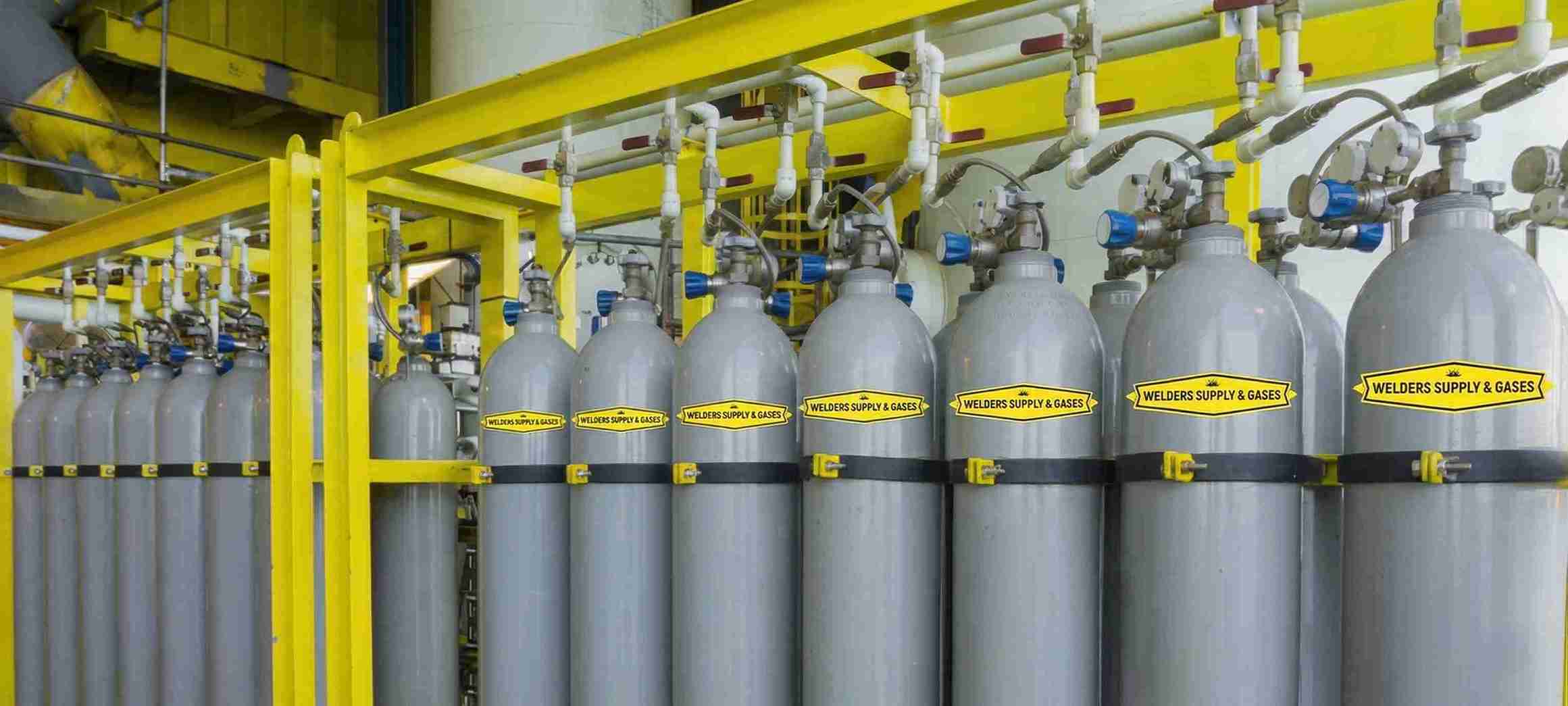
Helium is an important resource that is required by many industries. Various sectors require helium to operate. Whether in manufacturing, aerospace, research, electronics, or laboratories, the gas is essential for maintaining the smooth flow of production and operations. Unlike other industrial gases, helium is a more finite resource. The supply chain is subject to many factors, including geopolitical events, production outages, changing global conditions, and transportation challenges. Thus, many businesses often face questions about whether they must secure helium supply contracts to protect their operations.
Spot market purchases of helium may have many benefits, including flexibility and long-term arrangements, but market conditions can be unpredictable. This way, establishing the best time to sign a contract can help companies balance supply security, cost, and operational requirements.
Why You Should Plan Your Helium Supply »
Helium is an important ingredient in many applications. This includes:
- Semiconductor fabrication
- Magnetic resonance imaging equipment
- To control welding operations
- Leak detection systems
- For performing scientific research
- Aerospace testing
Because many operations cannot proceed without a reliable supply of helium, the procurement decisions play an essential role in business continuity.
A well-planned procurement strategy helps businesses reduce overall risk and maintain access to helium during periods of market disruption.
Understanding the Helium Market
Businesses must understand the essential factors that determine whether they must sign a long-term agreement. Here are the key determinants that impact the global availability. These include:
Limited Global Supply Sources
Helium is a limited resource that is produced only in a few regions around the world. Any production interruptions can disrupt operations worldwide.
Growing demand
As demand for helium increases across sectors such as healthcare, technology, and manufacturing, it also drives demand for availability worldwide.
Transport and Logistics Challenges
Helium relies heavily on storage and well-organized transportation equipment. Any disruption in the supply chain can affect both delivery schedules and availability. These factors also contribute to fluctuations in supply and pricing, making the procurement process more complex for helium than for other industrial gases.
When to Consider Signing Long-Term Helium Contracts?
Every business has a different requirement. However, certain factors determine the need for long-term helium contracts, which offer several benefits. These include:
Operational dependency on Helium Supply
If helium is an essential gas for research, production, and other services, its interruption can prove to be costly. Herein, signing a contract offers benefits like the following:
- Guaranteed allocation
- Timely deliveries
- Constant access and supply
- Reduced the risk of procurement
Predictable Consumption Patterns
Companies with predictable helium usage are ideal for long-term agreements. Some of the examples include:
- Manufacturing facilities that require a continuous availability of helium for production
- Research institutions with ongoing projects
- Electronics manufacturers
- Hospitals operating MRI systems
When the usage level of helium gas remains consistent and future demand is easier to forecast, it enables more accurate contract planning.
Helium Pricing Trends Suggest Future Increases
One of the most common reasons businesses explore helium supply contracts is pricing. Monitoring current helium pricing trends can help businesses identify periods when pricing is more favorable.
Some of the key indicators include:
- Rise in global demands
- Supply chain constraints
- Production facilities
- Shutdowns for maintenance
Uncertainty in global availability due to geopolitical reasons
Transportation bottlenecks
Changing market conditions suggest upward pricing pressure, making a long-term agreement advantageous for future increases.
Prevention Against Helium Shortages
Limited availability, helium shortages, delayed deliveries, and price increases are among the elements a long-term helium contract protects against. The contracts provide supply stability by establishing committed volumes and priority access, along with improving resilience during challenging market conditions.
Evaluating Bulk Helium Supply Requirements
A constant bulk supply of helium is beneficial for large manufacturing facilities, research campuses, aerospace operations, and semiconductor production. Businesses that require a steady supply of supplies need high-volume suppliers. Contract-based procurement is an attractive option for such businesses.
Benefits of a Long-Term Helium Supplier Agreement
A well-structured helium supplier agreement offers many advantages. These include:
Improved Supply Stability
Long-term contracts include supply commitments, which help in reducing uncertainty. The benefits include scheduled deliveries, better inventory planning, priority allocation, and reduced supply interruptions.
Better Budget Forecasting
Price predictability simplifies financial planning, enabling businesses to improve budgeting, manage operational costs, and reduce exposure to market volatility.
Stronger Supplier Relationships
Long-term contract agreements encourage collaboration between suppliers and customers. The suppliers provide:
- Better demand forecasting
- Inventory management support
- Emergency response planning
- Customized delivery schedules
On the other hand, businesses must prefer purchasing flexibility when there is high variability in helium usage, difficulty forecasting demand, seasonal operations, low consumption volumes, or alternative technologies that can reduce helium needs.
In such situations, shorter agreements provide higher value.
Key Factors To Consider During Contract Negotiation
Some of the factors for successful contract negotiation include the following:
- Volume commitments: the organization must ensure the contract volume aligns with the realistic consumption forecasts.
- Pricing Structure: Businesses must understand the changing pricing structure for each contract term.
- Delivery Terms: Review the delivery schedules, emergency supply provisions, and response times.
- Renewal Options: Understand the extensions and renewal terms before signing the contracts.
- Supply Guarantees: Clarify the allocation commitments during market shortages.
The contract must balance the cost, supply security, and flexibility.
Building a Strategic Procurement Strategy
A decision to lock in a helium contract must be an important part of the procurement strategy. Businesses must regularly assess the following:
- The current consumption trend for helium
- Future growth projections
- The existing market conditions
- Supplier performance
- Risk tolerance
Combining market analysis with the operational requirements. It must allow the organizations to make informed procurement decisions that support long-term business goals.
Conclusion
Ensuring the helium supply contracts depend on various factors such as the company’s operational requirements, market outlook, and risk profile. Especially businesses that rely on industrial helium usage, they tend to require a dependable bulk helium supply, failure of which can lead to potential helium shortages. At such a point, long-term helium contracts help in maintaining an adequate supply of the gas.
By tracking helium price trends, evaluating supply risks, and strategically reading contract negotiations, organizations can improve supply stability and better plan long-term procurement. A well-defined helium supplier agreement can bring financial predictability and operational confidence to the intricate helium market.