
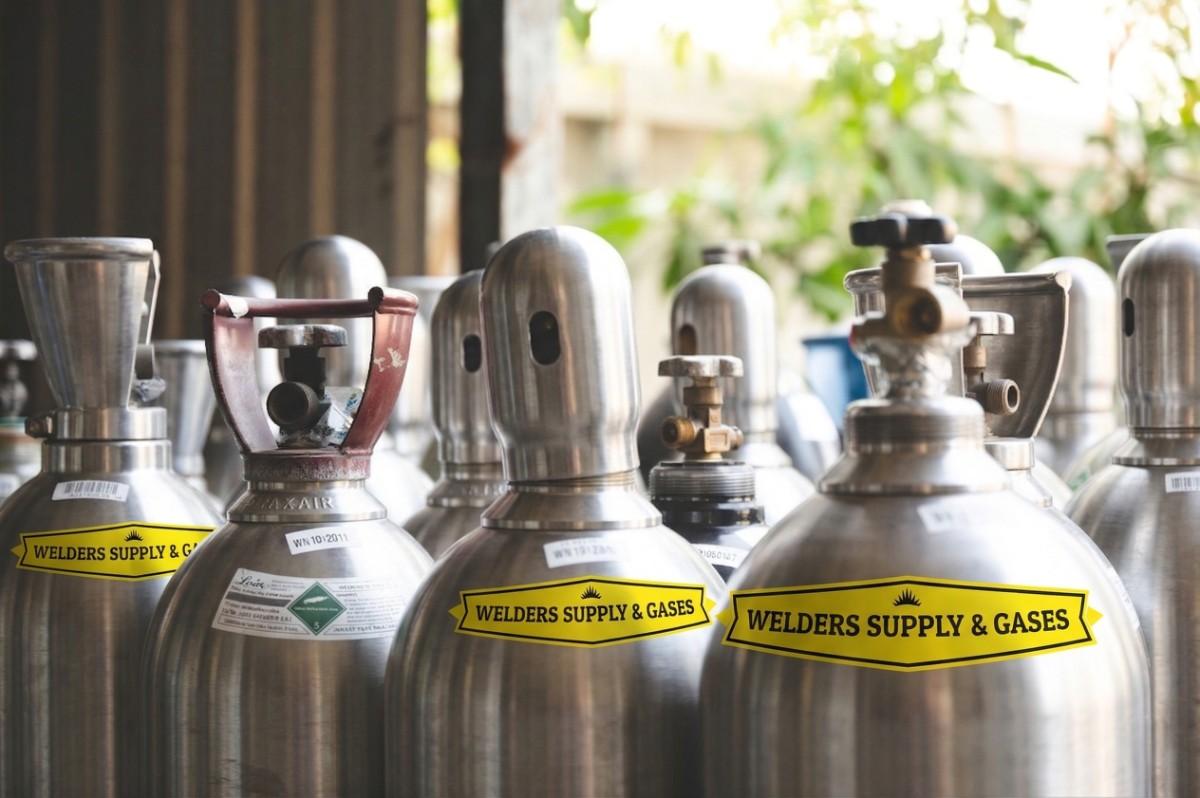
Welding Oxygen Tank Refill: Why Turnaround Time Matters More Than Price
Downtime or any breakdown can be costly for your business, especially if welding operations are integral to production. A delayed gas refill can not only hinder fabrication work but also delay deliveries, disrupt schedules, and thereby increase labor costs. However, many businesses tend to make the biggest mistake of choosing suppliers solely based on refill pricing. When it comes to welding oxygen tank refill services, turnaround time is the most essential factor. Unlike the cost per cylinder, prompt delivery matters more than saving a small amount on each cylinder. A cheaper refill may seem cost-effective at first. However, even a minor delivery delay can cause operations to halt, deadlines to be missed, and workers to be idle. Herein, the actual operational cost turns out to be much higher. Industries and businesses that depend on a constant supply of welding oxygen tanks, such as industrial facilities, repair workshops, fabrication units, and manufacturing units, cannot afford delays. It is an important operational requirement that can directly impact the uptime and productivity. What Makes Welding Oxygen Essential? Oxygen is an essential gas that is used across fabrication and manufacturing units. It is used for cutting and welding applications. Industrial oxygen is widely used for several operations, such as: Fabricating metals Brazing Cutting oxy-fuels Flame cutting Heating applications Industrial repair work Without an efficient oxygen refill schedule for welding operations, productivity can slow. Compared to other inventory items, welding gas shortages can often bring work to a complete halt. Hence, refill planning plays an essential role in managing the smooth flow of operations. It must concentrate on: Quick turnaround Reliability in the delivery of inventory Availability during an emergency Inventory continuity How Does the Delay in Oxygen Cylinder Refills Impact Businesses? Businesses in welding and fabrication place greater emphasis on turnaround time than on cost. A delay in refilling oxygen cylinders can impact the production timeline, reduce labor productivity, result in failure to meet customer commitments, lead to inadequate machine utilization, and delay fabrication schedules. For example: If you are in the welding business, and welders, fabrication teams, or cutting operators are unable to work due to empty oxygen cylinders, the business will face losses in equipment overhead, increased labor costs, and additional operational expenses. In addition, the production output will also stop. Even a minor downtime of a few hours can cost more than the difference in price between two gas suppliers. Why Should Businesses Concentrate on Fast Turnaround? Turnaround is the time from picking up the cylinders to refilling, returning, and replacing the unit. For industrial users, this can impact the overall workflow continuity. Faster refills will reduce any production interruptions. Additionally, a quick refill ensures continuous welding activity, better workforce utilization, stable fabrication schedules, and reduced equipment idle time. A supplier who offers a dependable, reliable turnaround time supports a smoother flow of operations. Common Issues Related to Choosing Low-Cost Refill Services An unreliable and inconsistent supplier can lead to multiple issues. Moreover, choosing a supplier solely on the basis of low prices has several disadvantages. Some of the common issues include: Delay in deliveries Any delay in delivery or inventory availability can disrupt the entire workflow. Delays in later deliveries not only disrupt welding schedules but also affect overall customer satisfaction. Limited Availability of Cylinder Inventories Some vendors may struggle to secure cylinder supply during high-demand periods. This becomes risky for industries that require a continuous supply to meet production requirements. Poor Communication Lack of updates and vendor unresponsiveness can erode business trust. Transparency in scheduling is necessary to create operational flow. Inconsistent Service Inconsistent refilling timelines can make overall production planning difficult. For most industrial operations, reliability is more important than small pricing differences. Choosing The Right Welding Gas Refill Partner Selecting a refill supplier involves more than only comparing the cylinder prices. A business must evaluate the following points: Turnaround speed How quickly can the suppliers dispatch new cylinders? Will they be able to refill, deliver, and replace welding gas more quickly to support stable production? Availability During Emergencies Can the supplier support urgent refill needs? Emergency response and promptness in ensuring no hindrance or breakdown in critical industrial operations. Reliability in Terms of Delivery The supplier must be able to deliver consistently. Additionally, they must be able to schedule help to address the technical breakdown more effectively and reduce operational risks. Support with Cylinder Inventory Many suppliers help businesses by forecasting overall usage and managing refill cycles more effectively. Coverage of Geography Local support helps improve response time and ensures delivery efficiency. Why Industrial Operations Cannot Afford Downtime In the manufacturing and fabrication sectors, the unavailability of welding gas can directly affect productivity, revenue, delivery, and workforce efficiency. A delayed refilling of oxygen cylinders may appear like a small issue. However, it can lead to extensive operational delay, resulting in significant financial consequences. This is necessary for industries related to metal cutting, those in industrial repair, manufacturing plants, fabrication, and construction projects. In these industries, uptime is the most essential factor for ensuring continuous operations. How Can Reliable Oxygen Supply Improve Productivity? A reliable industrial oxygen refill can improve overall workflow and support production scheduling. In addition, it can enable organized labor utilization, setting better delivery timelines and more efficient equipment use. Choosing a reliable oxygen supply can reduce overall operational stress and the management of refill shortages, ensuring operational stability. Final Conclusion Choosing a reliable welding oxygen tank refill service is more important than concentrating only on low pricing. It can create much more expensive operational problems later. For industries that involve fabrication and welding, turnaround time is more critical. Any delay in oxygen supply can affect the uptime, lose customer trust, and reduce labor productivity. A dependable welding oxygen refill partner must provide the following: A quick turnaround without delay Emergency support Reliable