Choosing the right argon gas for stainless steel welding helps you make clean, strong welds and protect the metal from damage. But pure argon is not the best choice for every type of stainless steel welding.
The gas you need depends on whether you use TIG or MIG welding. It also depends on the stainless steel grade, filler wire, and finish you want.
In this guide, we explain the main gas options in simple terms so you can choose the right one for your project.
Why Does Stainless Steel Need the Right Shielding Gas?
Stainless steel is known for its ability to resist rust and corrosion. The right welding method helps protect this quality.
During welding, the metal gets very hot. If air reaches the hot weld, it can cause oxidation and affect the finished surface. The wrong gas can also affect the weld’s shape, strength, and resistance to corrosion.
Shielding gas protects the hot weld from the surrounding air. It also affects how smoothly the arc works and how the molten metal flows.
According to Miller Welds’ guide to stainless steel welding, choosing the right gas and protecting the back of the weld can help maintain corrosion resistance.
Is Pure Argon Best for Stainless Steel Welding?
Pure argon is a commonly used gas for TIG welding stainless steel. It provides a stable arc and protects the weld area from air.
However, TIG and MIG welding work differently. This means they do not always use the same shielding gas.
Pure argon for TIG welding
TIG welding uses a non-melting tungsten electrode to create the arc. A separate filler rod may be added when needed.
Pure argon is a common choice because it helps create a steady arc and a clean weld. It is often used for stainless steel pipes, thin sheets, food-processing equipment, and other jobs where a neat finish matters.
For pipes and tubes, the inside of the joint may also need protection. This is called back purging. Argon can be used to protect the inside of the weld from oxidation.
Can you use pure argon for stainless steel MIG welding?
Pure argon is generally not the standard choice for stainless steel MIG welding. MIG welding often needs an argon-based gas mixture to help control the arc and the way metal moves from the wire to the weld.
Using the wrong gas may lead to poor bead shape, uneven metal flow, or other weld problems.
For this reason, always match the gas to the wire and the welding process.
Common Shielding Gas Mixtures for Stainless Steel MIG Welding
The right shielding gas for stainless steel MIG welding often contains argon mixed with small amounts of other gases. Common options include argon-CO₂ blends, argon-oxygen blends, and tri-mix gas.
The perfect shielding gas for stainless steel MIG welding. It contains a mix of argon and also includes small amounts of other gases. Common options include argon-CO₂ blends, argon-oxygen blends, and tri-mix gas.
1. Argon and CO₂ mix
An argon CO2 mix for stainless steel contains mostly argon and a small amount of carbon dioxide.
One option used for some stainless steel MIG applications is 98% argon and 2% CO₂. The small amount of CO₂ can help improve arc stability and the way the weld metal spreads.
CO₂ levels need careful control. Even a little increase can lead to increased carbon pickup in the weld and may affect corrosion resistance in certain stainless steels.
Do not assume that a standard 75/25 argon-CO₂ blend used for mild steel is suitable for stainless steel. Always check the wire maker’s instructions and the welding procedure.
2. Argon and oxygen mix
Some stainless steel MIG applications use argon with a small amount of oxygen, such as a 98/2 blend.
This mix can help the molten metal spread more evenly and improve the shape of the weld bead. It may suit certain spray-transfer or pulsed welding applications.
However, oxygen can also cause oxidation. The right amount depends on the material, process, and required weld quality.
3. Tri-mix shielding gas
Tri-mix shielding gas contains three gases. These gases are often a mix of helium, argon, and CO₂.
A traditional mixture contains 90% helium, 7.5% argon, and 2.5% CO₂. It is used for certain stainless steel MIG applications because it can help provide good arc stability, penetration, and weld appearance.
Helium adds heat to the welding arc, while argon and a small amount of CO₂ help control arc behavior.
Tri-mix isn’t necessary for every stainless steel job. It can also cost more than simpler mixes of gases. Use it, but make sure it’s right for your machine, wire, and welding process.
Pure Argon vs. Gas Mixtures: A Quick Comparison
|
Gas type |
Common use |
Main benefit |
|
Pure argon |
Stainless steel TIG welding |
Stable arc and clean weld |
|
Argon with a small amount of CO₂ |
Certain stainless steel MIG applications |
Helps control arc behaviour |
|
Argon with a small amount of oxygen |
Selected stainless steel MIG processes |
Helps the weld metal spread |
|
Helium-argon-CO₂ tri-mix |
Certain stainless steel MIG applications |
Good heat input and weld flow |
How Does Gas Choice Affect Weld Quality and Corrosion?
Stainless steel can lose some of its corrosion resistance if welding creates the wrong conditions.
The gas blend affects more than how the weld looks. It can also affect the amount of oxidation and the chemical changes that occur in the weld area.
Too much CO₂ may increase carbon uptake. Poor gas coverage can allow air to reach the hot metal. Both can create problems, depending on the stainless steel grade and the application.
A clean-looking weld does not always mean the metal has kept all its corrosion resistance. Correct gas selection, suitable filler metal, proper heat control, and good cleaning practices all matter.
For pipes and tubes, back purging may also be needed to protect the root side of the weld. Follow the welding procedure for the material and application.
How to Choose the Right Stainless Steel Welding Gas
Before choosing a gas, consider the following points:
· Welding method: TIG and MIG often need different gas choices.
· Stainless steel grade: Different grades may need different welding procedures.
· Filler wire: Check the wire that is recommended by the manufacturer for use as shielding gas.
· Weld position and finish: The best mix may change with the welding method. It is primarily required for shaping beads.
· Corrosion needs: Food equipment, pipes, and outdoor components may need careful control of oxidation and weld quality.
· Cost: Compare the gas price with the quality and results your job requires.
If you are unsure, ask a qualified welding professional or consult the equipment and filler wire guidance before changing gas.
Find the Right Gas for Your Stainless Steel Project
The finest stainless steel welding gas is job-dependent. Pure argon is a frequent choice for TIG welding, but MIG welding generally needs an argon-based mixture with carefully controlled additions of CO₂ or oxygen. Some of the applications may work better using tri-mix gas.
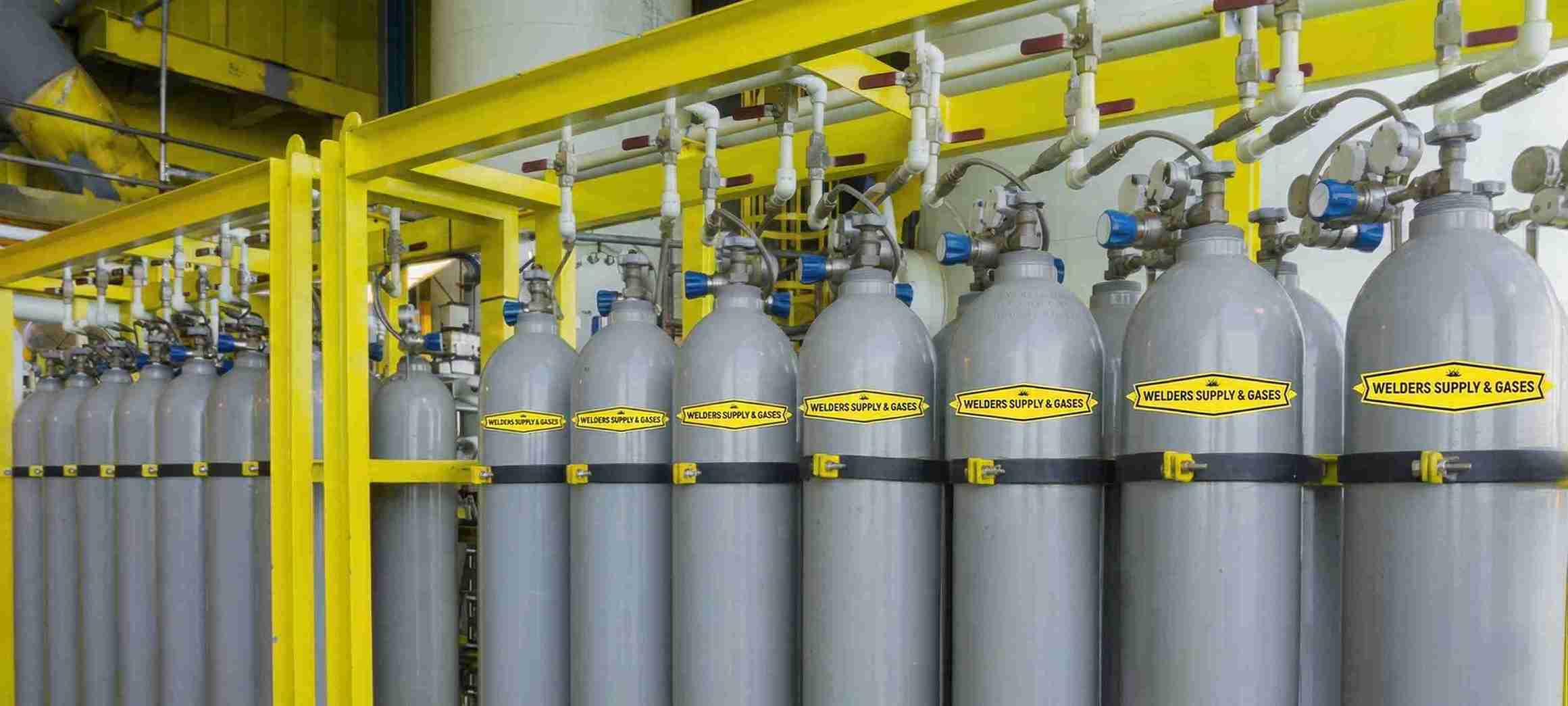
Need help finding a suitable gas for your welding setup? Contact Welder’s Supply & Gases Inc. It will assist you in learning more about available welding gas options. Share your welding method, stainless steel grade, and filler wire so you can identify a gas that fits your project.